R A V E S
>
R A V E S >
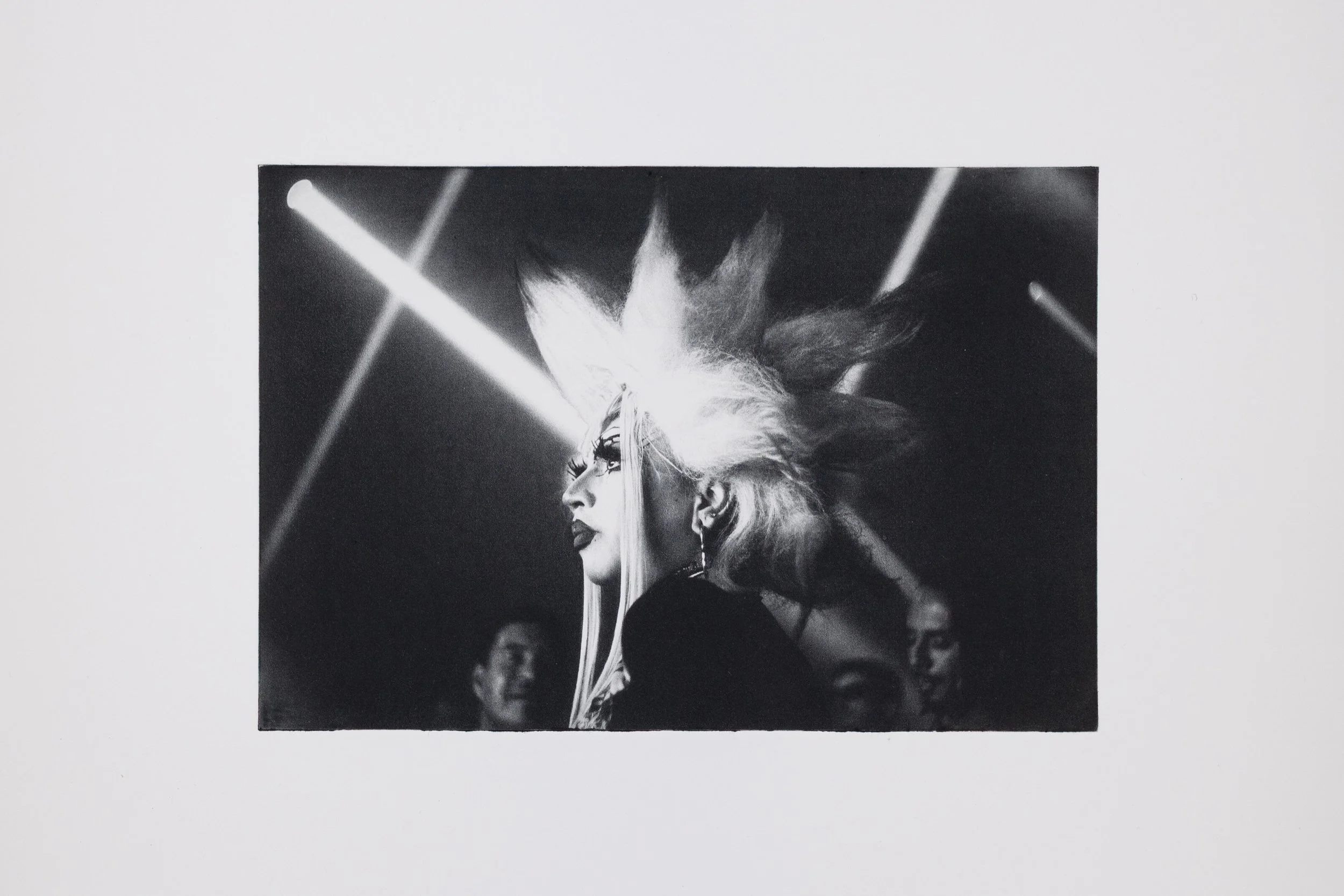
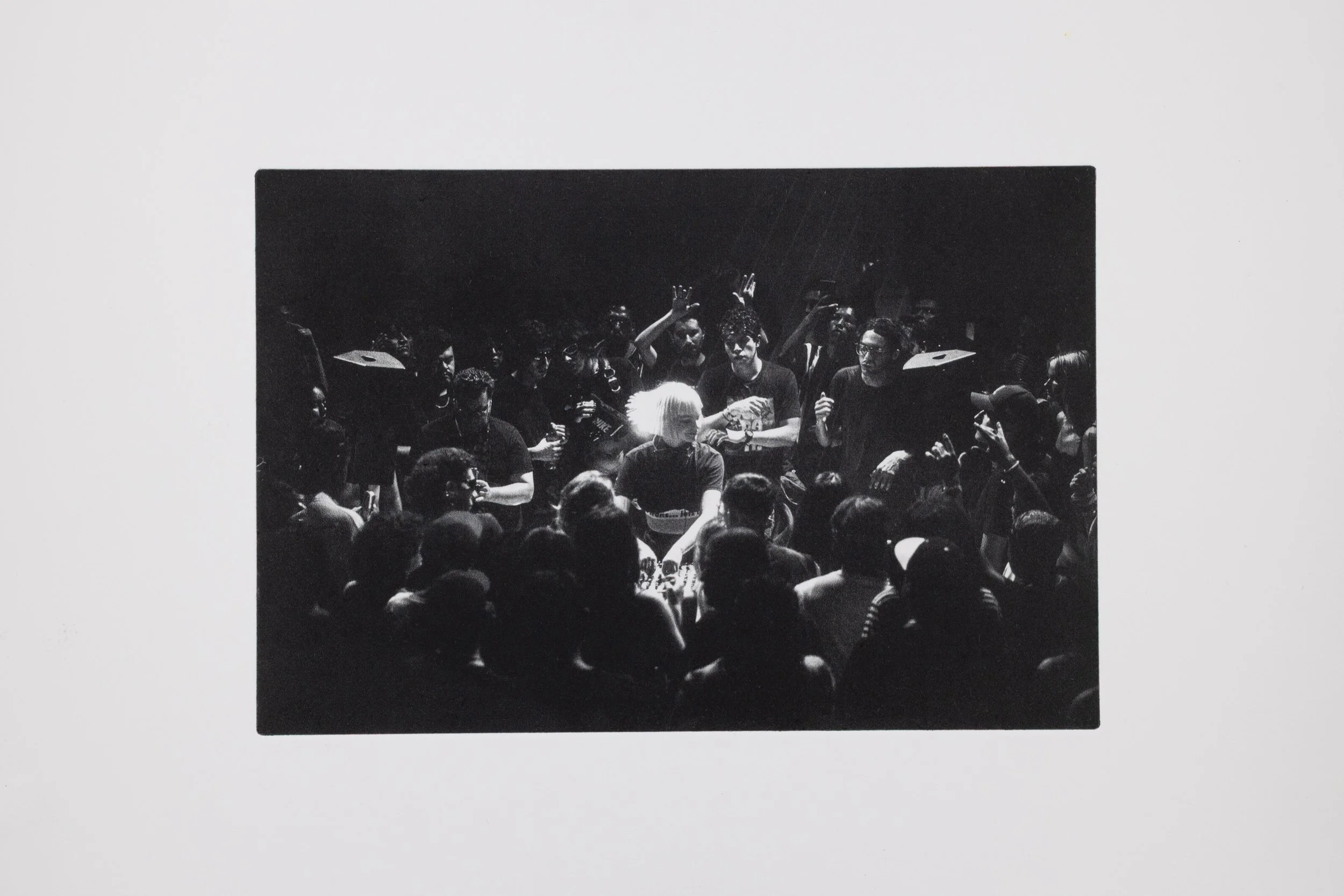
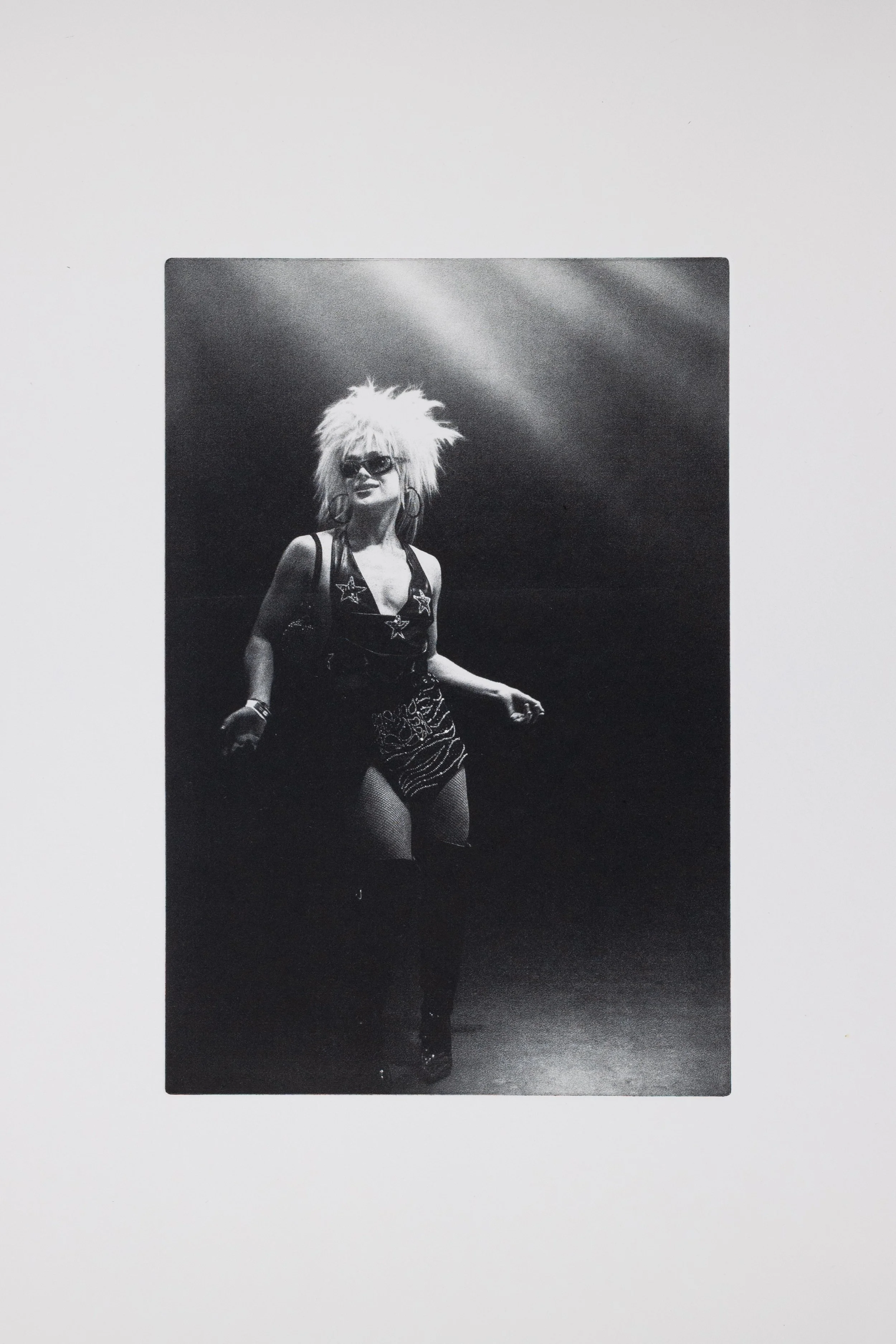
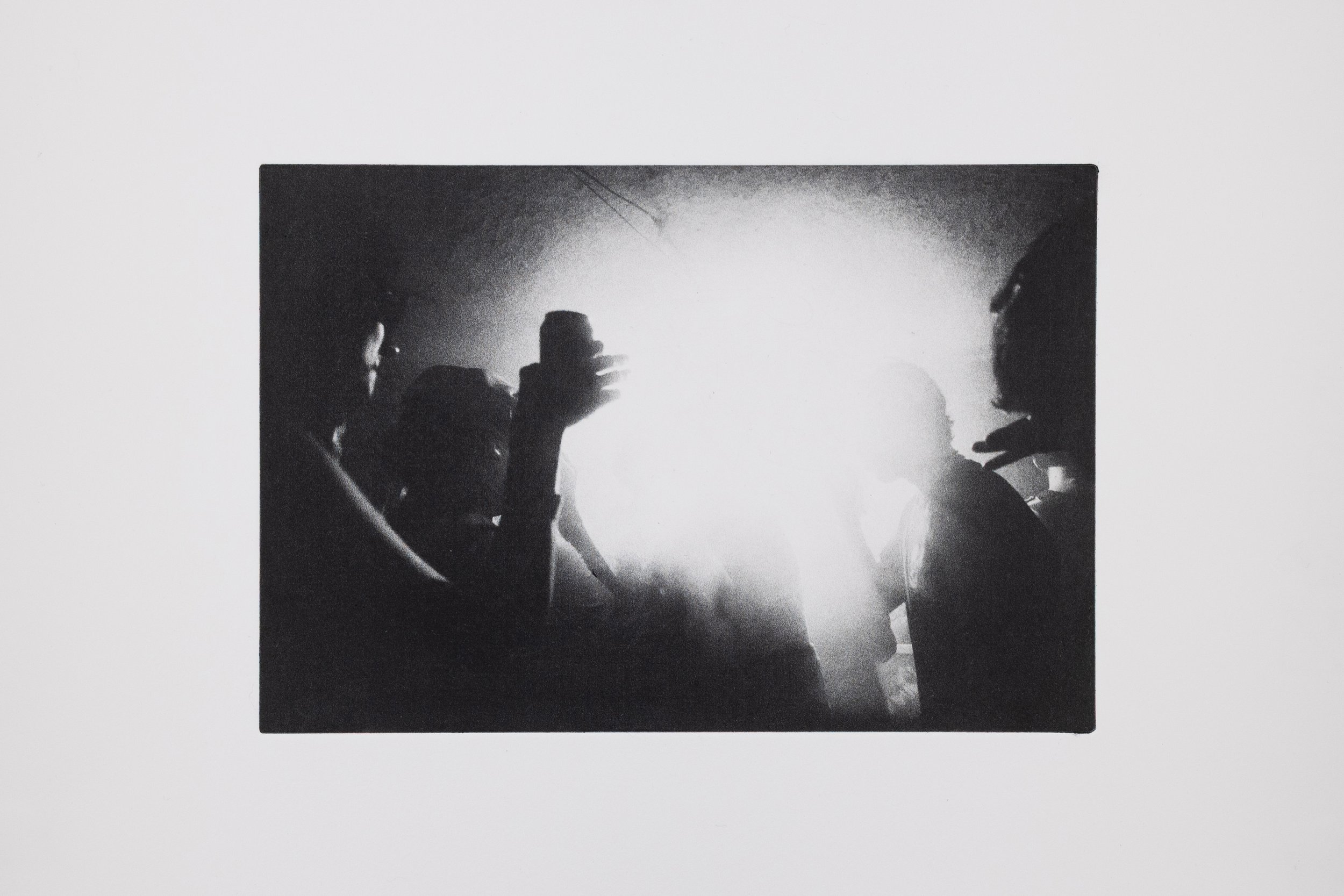
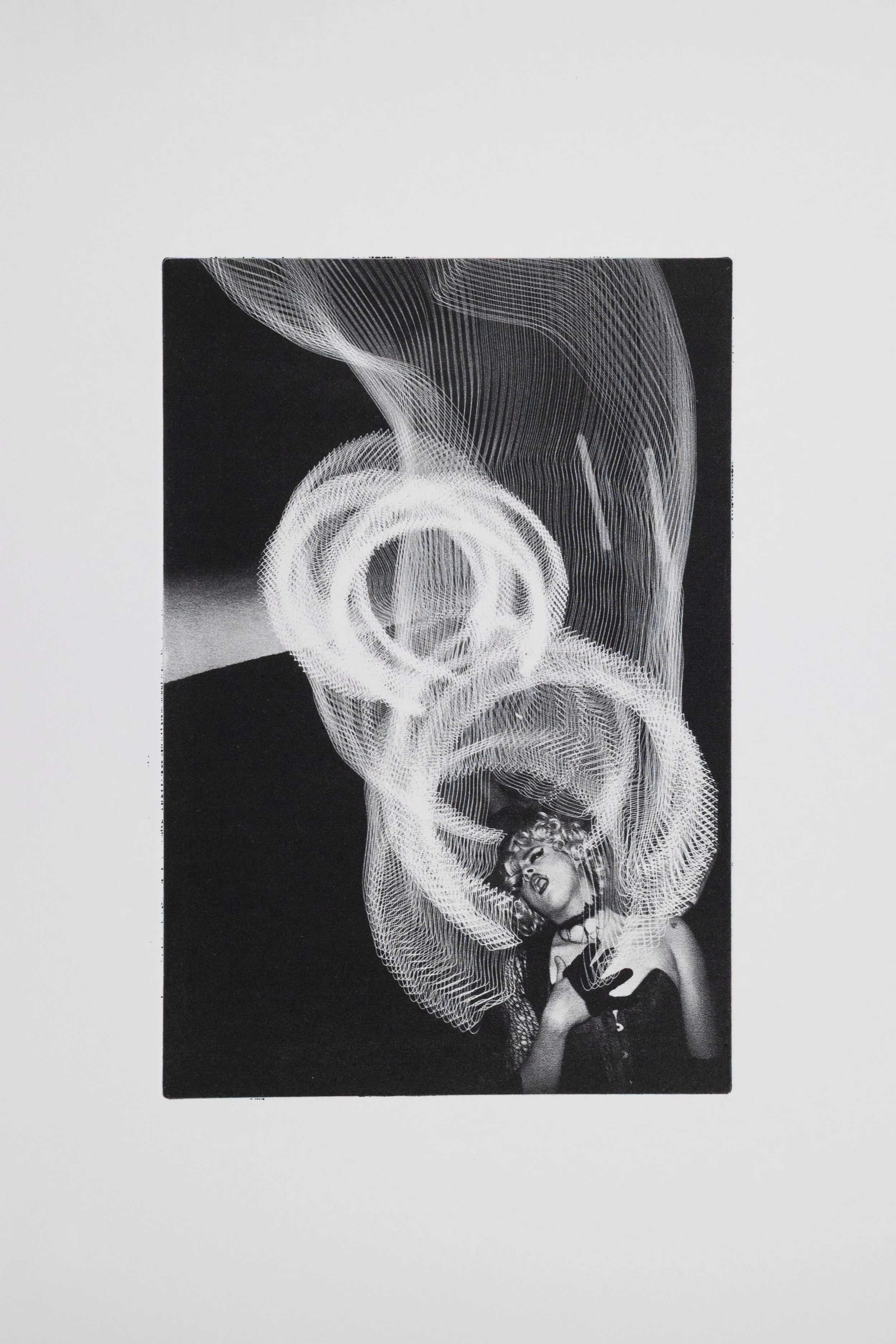
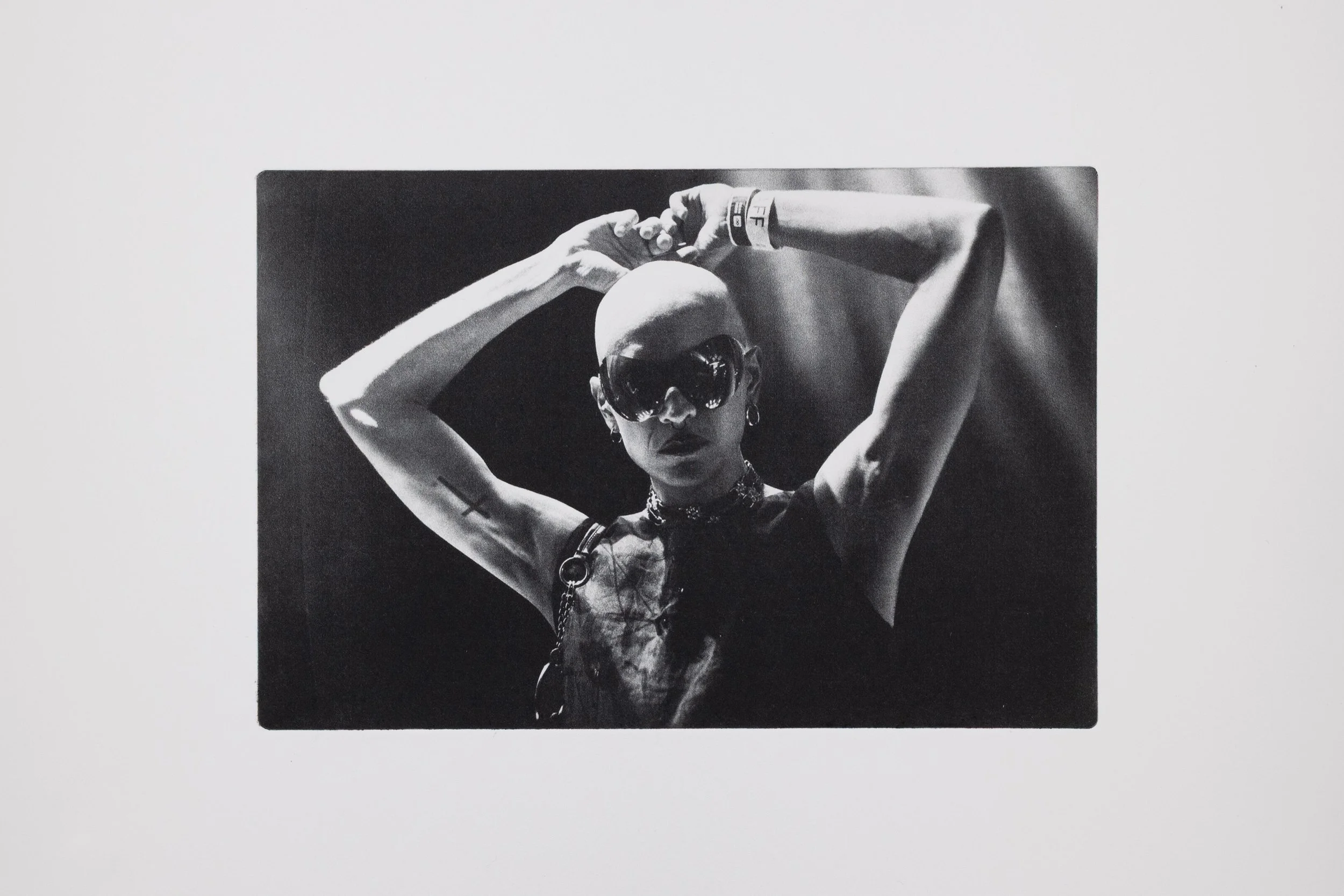
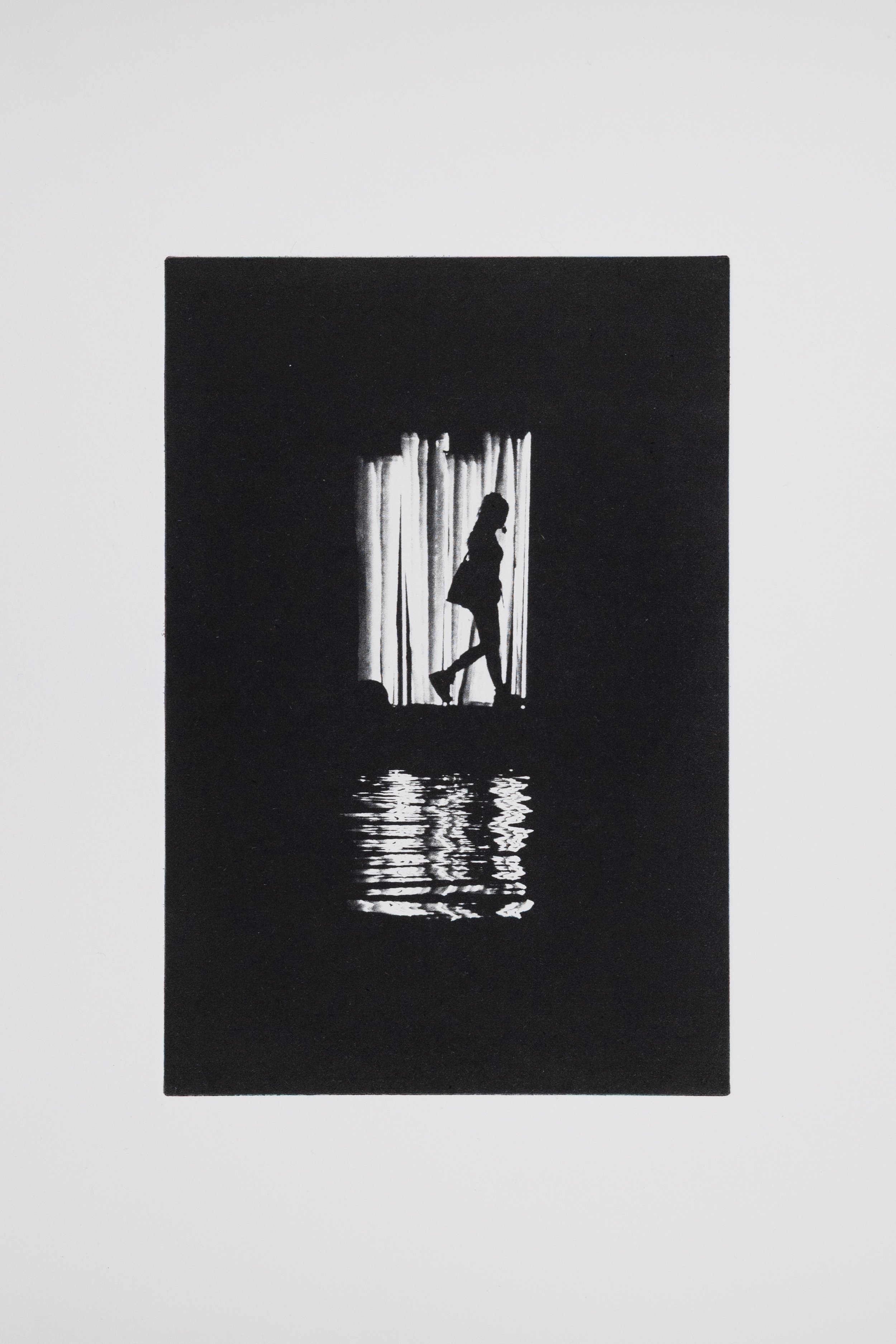
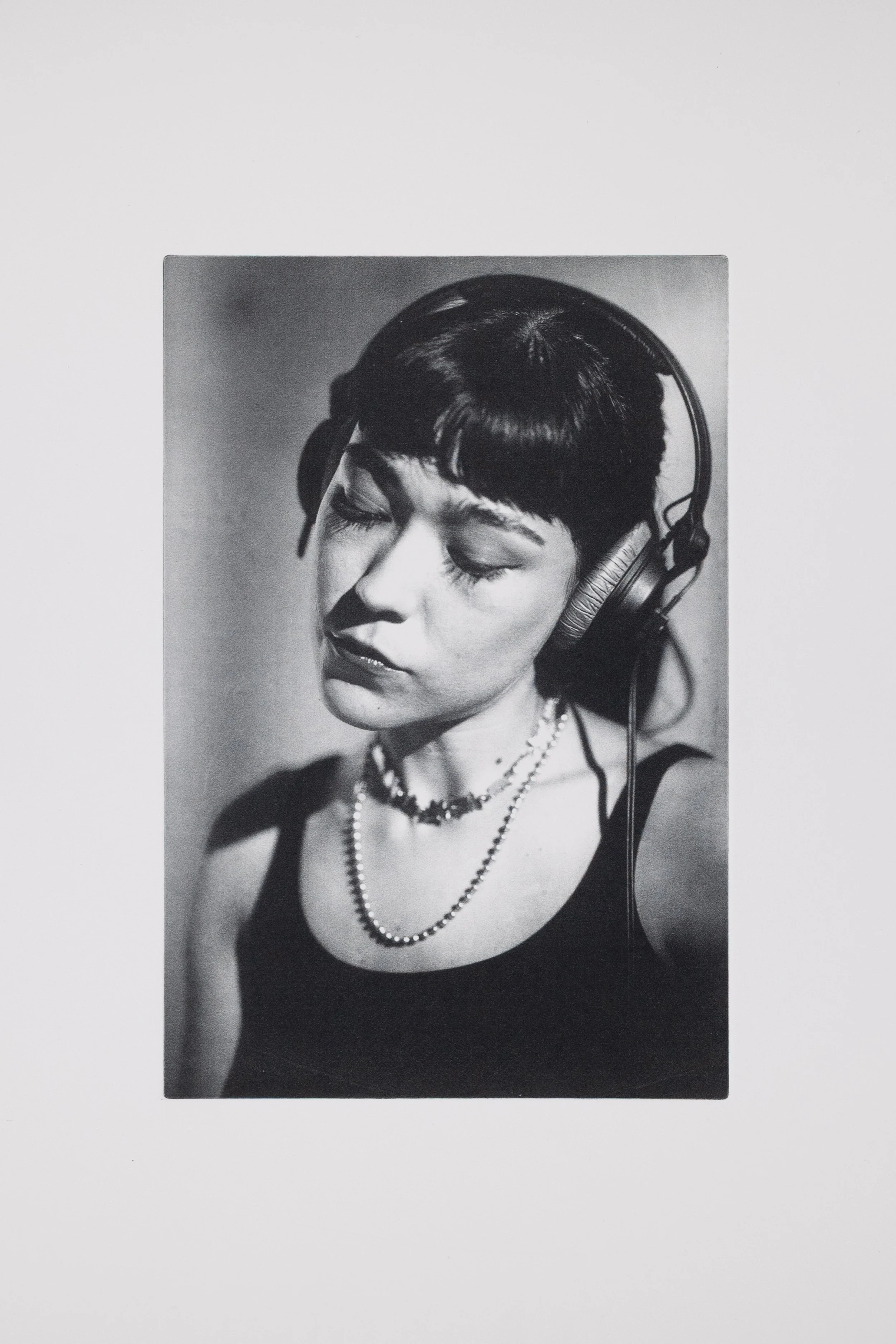
Raves (2022-2025)
Rituals For A Sickened Spirit
Like the Dionysian Mysteries, people descend into darkness through music, intoxication, repetition, and ecstatic movement. Raves become temporary sacred zones where individuals process grief, fear, and desire through ritualized excess.
Here, healing is not easy. It arises from intensity, from exhaustion. From sensory overload and ego dissolution. Raves don't heal by restoring control, but by temporarily destroying it.
People initiate their rituals at night and, after hours of dissolution, emerge transformed at dawn, symbolizing resurrection. The rave thus becomes a spiritual journey into the underworld: plunging into the depths, surrendering identity, and returning reborn through collective ecstasy.
Ecstasy, in its oldest sense, means being outside oneself, and that is precisely what the rave offers: a temporary liberation from the isolated self imposed by modern life, resonating with Nietzsche's concept of the Dionysian, where individuals momentarily return to a primordial unity obscured by the isolating structures of contemporary society. The desire to lose oneself is then not a desire for disappearance, but for reunion.
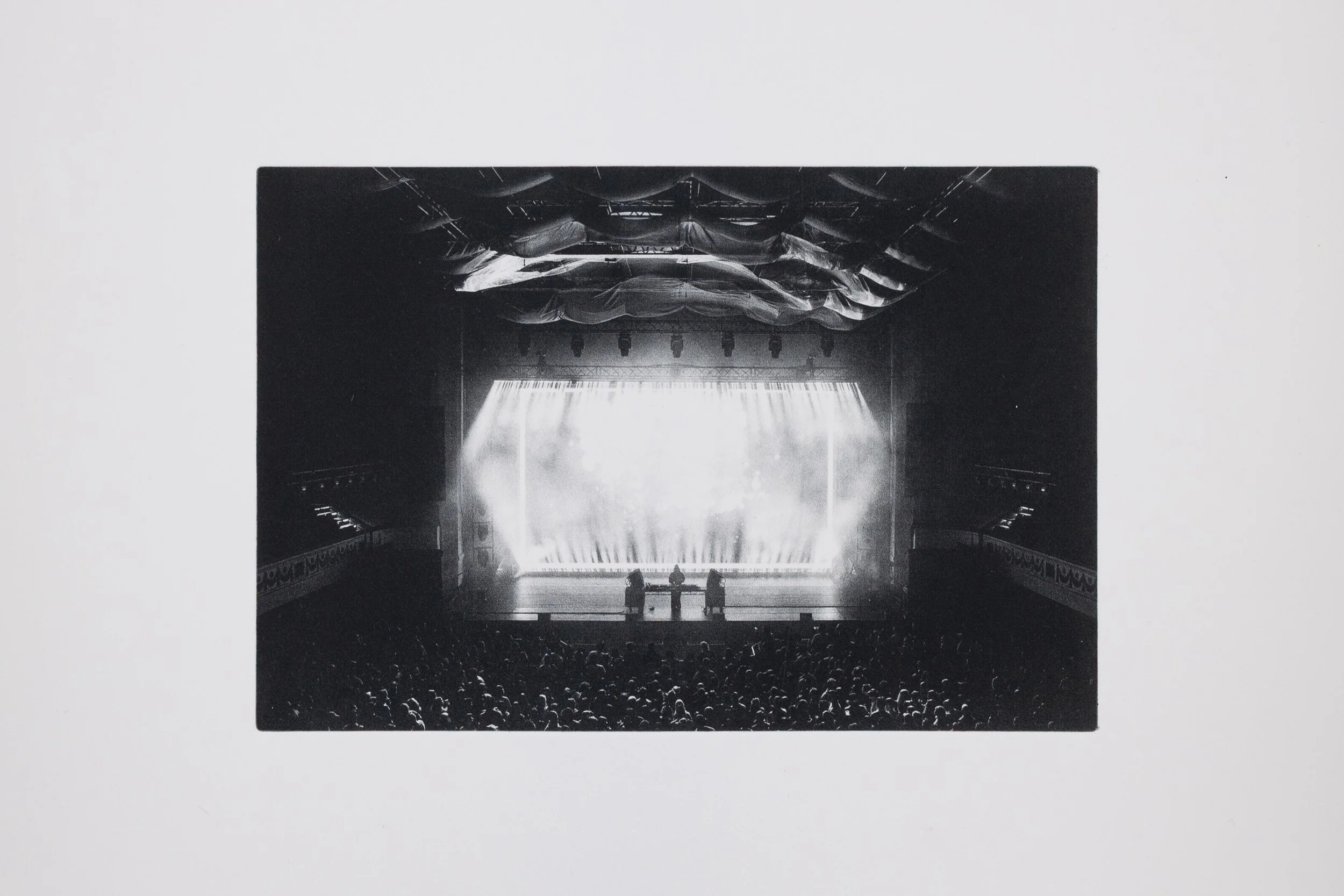
Hidden within warehouses, clubs, and temporary nocturnal spaces, people gathered in secret to transform and heal together from the sickened society they lived in.
In a post-pandemic world, beneath the masked faces, existed another form of sickness: alienation, emotional fragmentation, and the slow erosion of communal life. Society continued to function, but its spirit had grown ill.
In a moment when proximity itself was associated with danger, the rave stood paradoxically as a beacon of public health for bodies and spirits in decay. What appeared from the outside as excess or escapism concealed a deeply ritualistic dimension.
The structure of the rave is ancient.
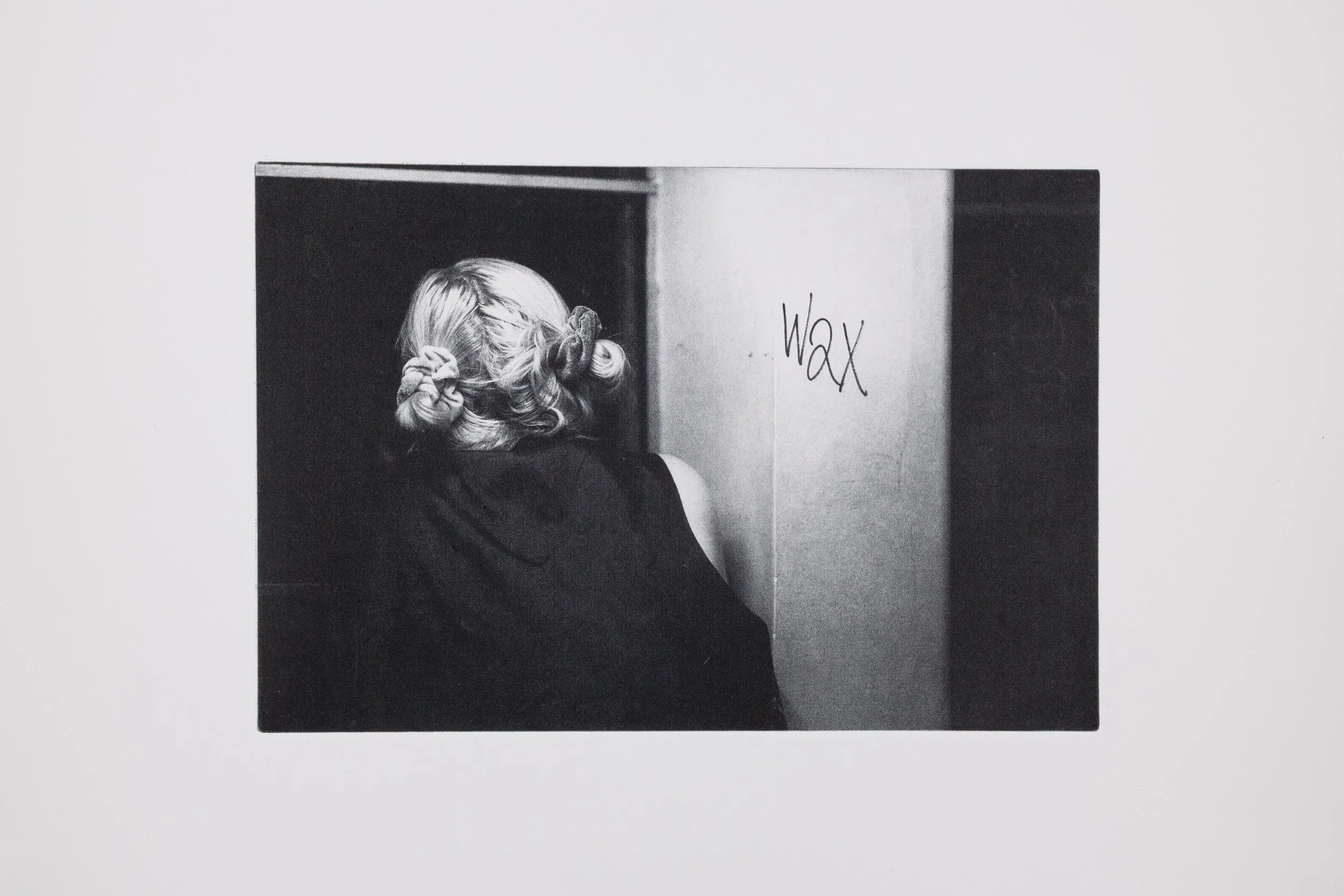
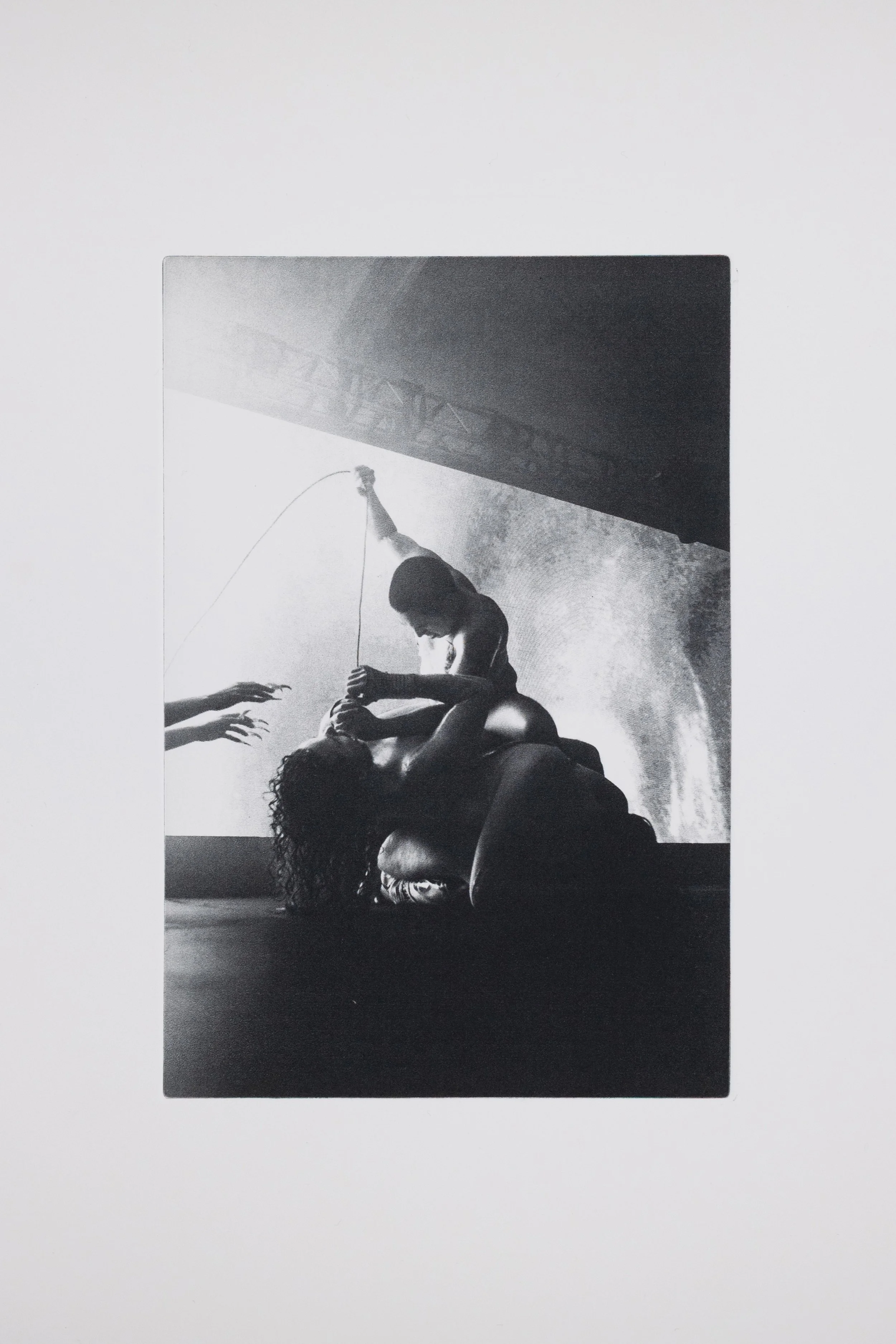
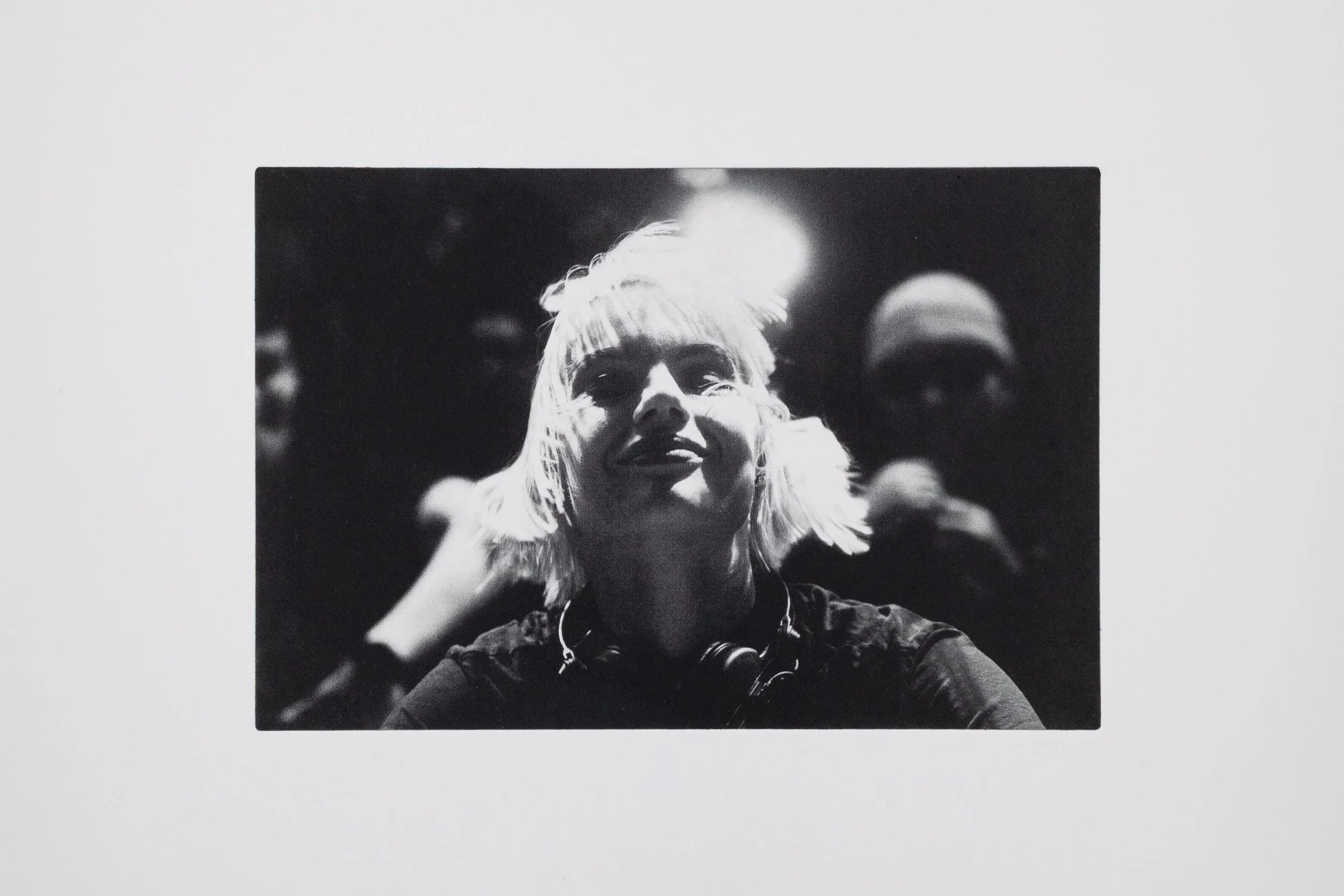
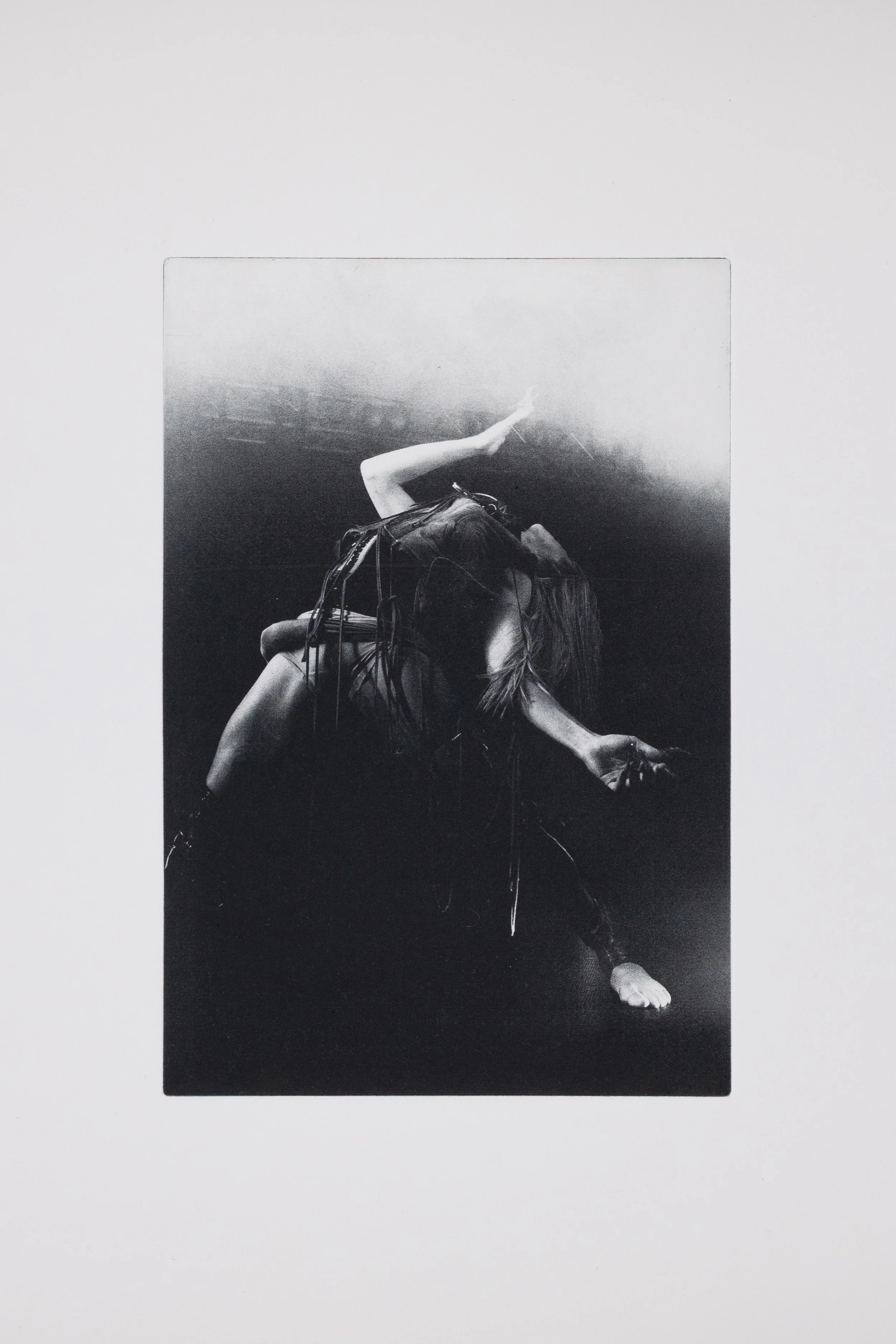
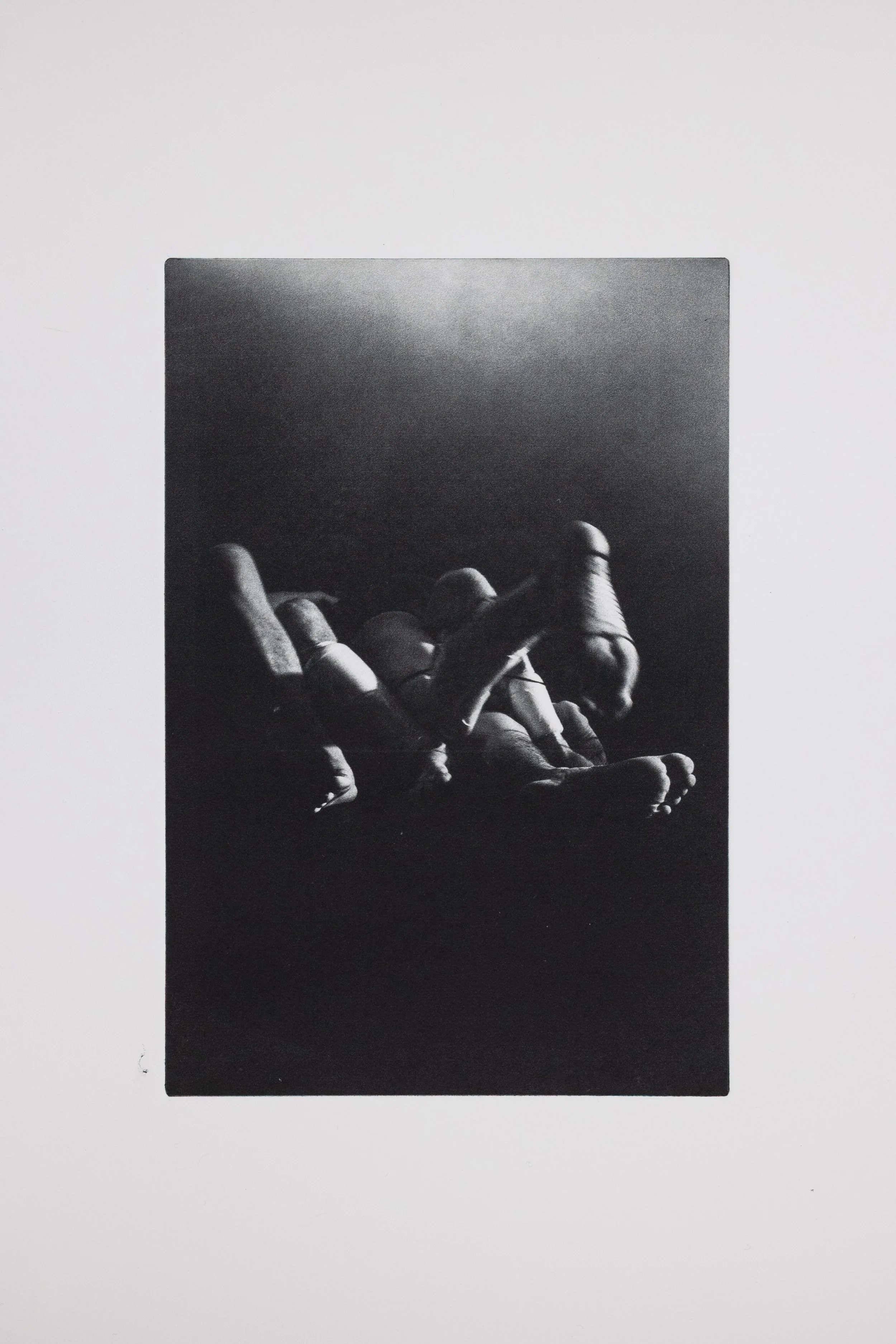
This project is a collection of portraits of people undergoing these transformations. Faces suspended between exhaustion and ecstasy, bodies dissolving into one another, strangers becoming collective organisms through rhythm and movement. These photographs aim to portray individuals not as static identities, but as people in the process of healing their spirits through collective ritual.
This work understands raves not as electronic music events, but as a contemporary mystery cult. Not as something metaphorically similar to ritual, but as something that functions psychologically and spiritually as ritual itself.
In a fragmented society deprived of collective transcendence, the rave reveals the persistence of an ancient human need: to gather in darkness, lose oneself, and transform through ecstatic catharsis.
What from the outside appears to be chaos or excess may, in fact, be a civilization attempting to heal its spirit.