Operational Spaces
>
Operational Spaces >
Operational Spaces
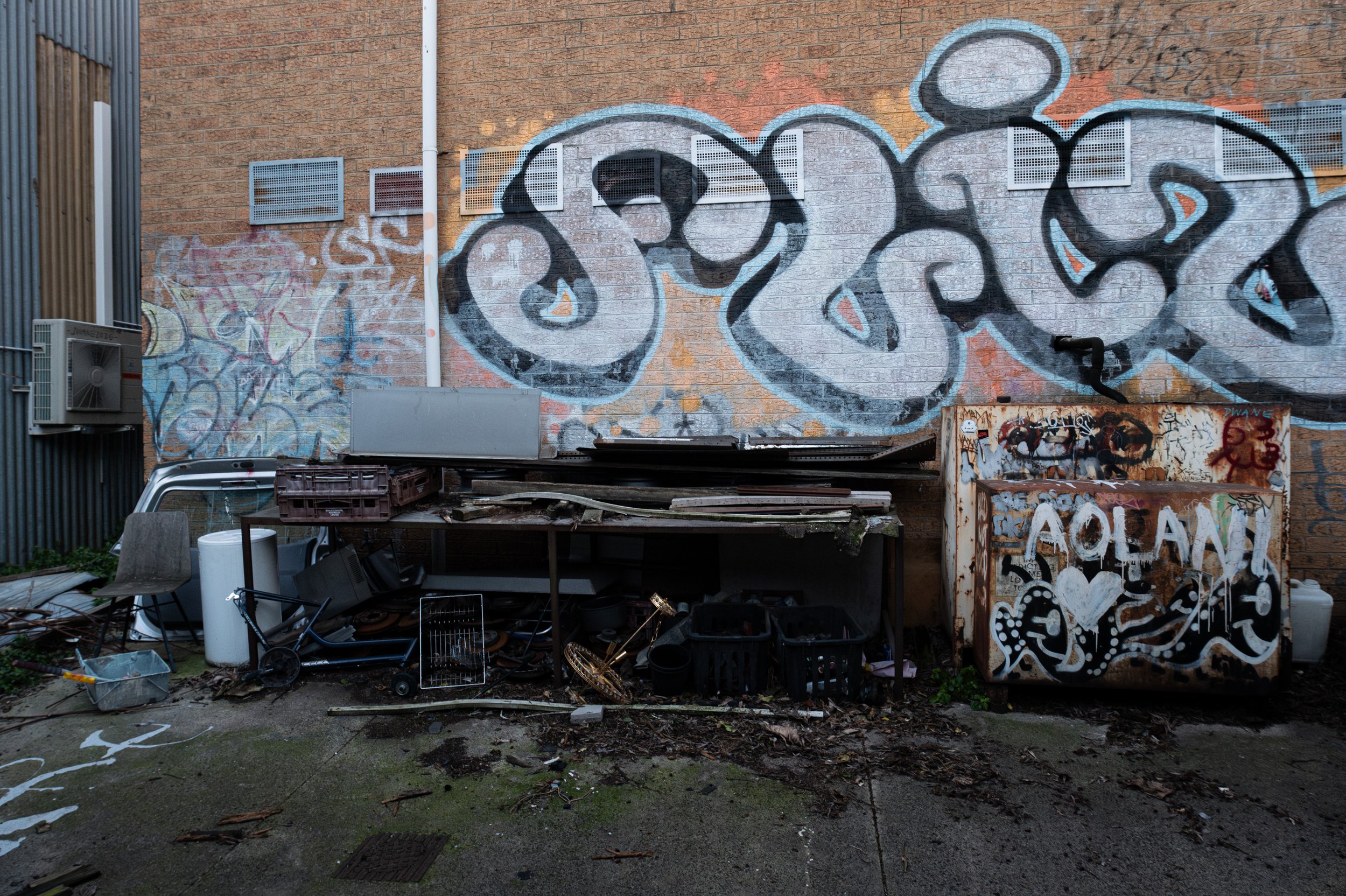
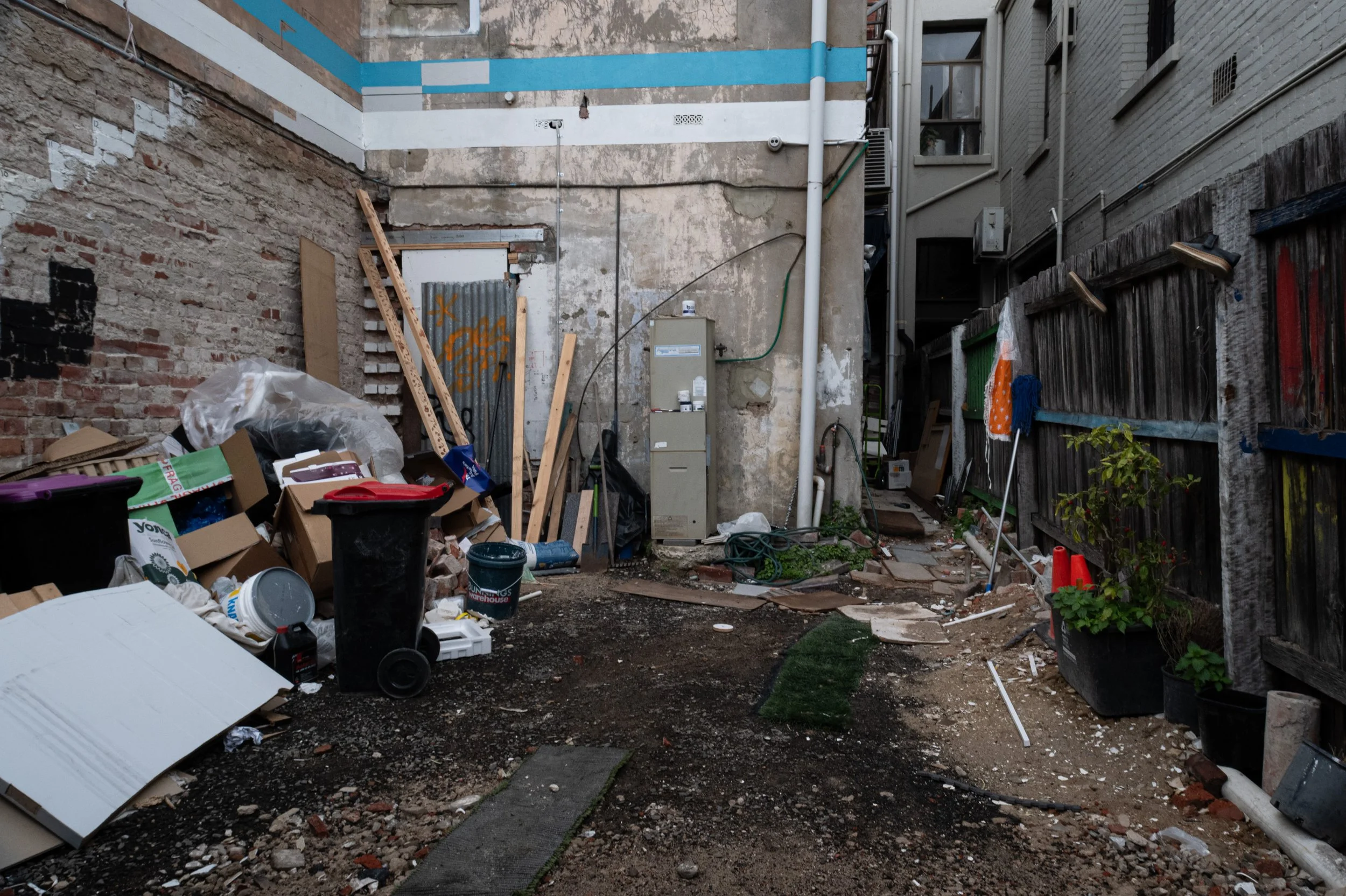
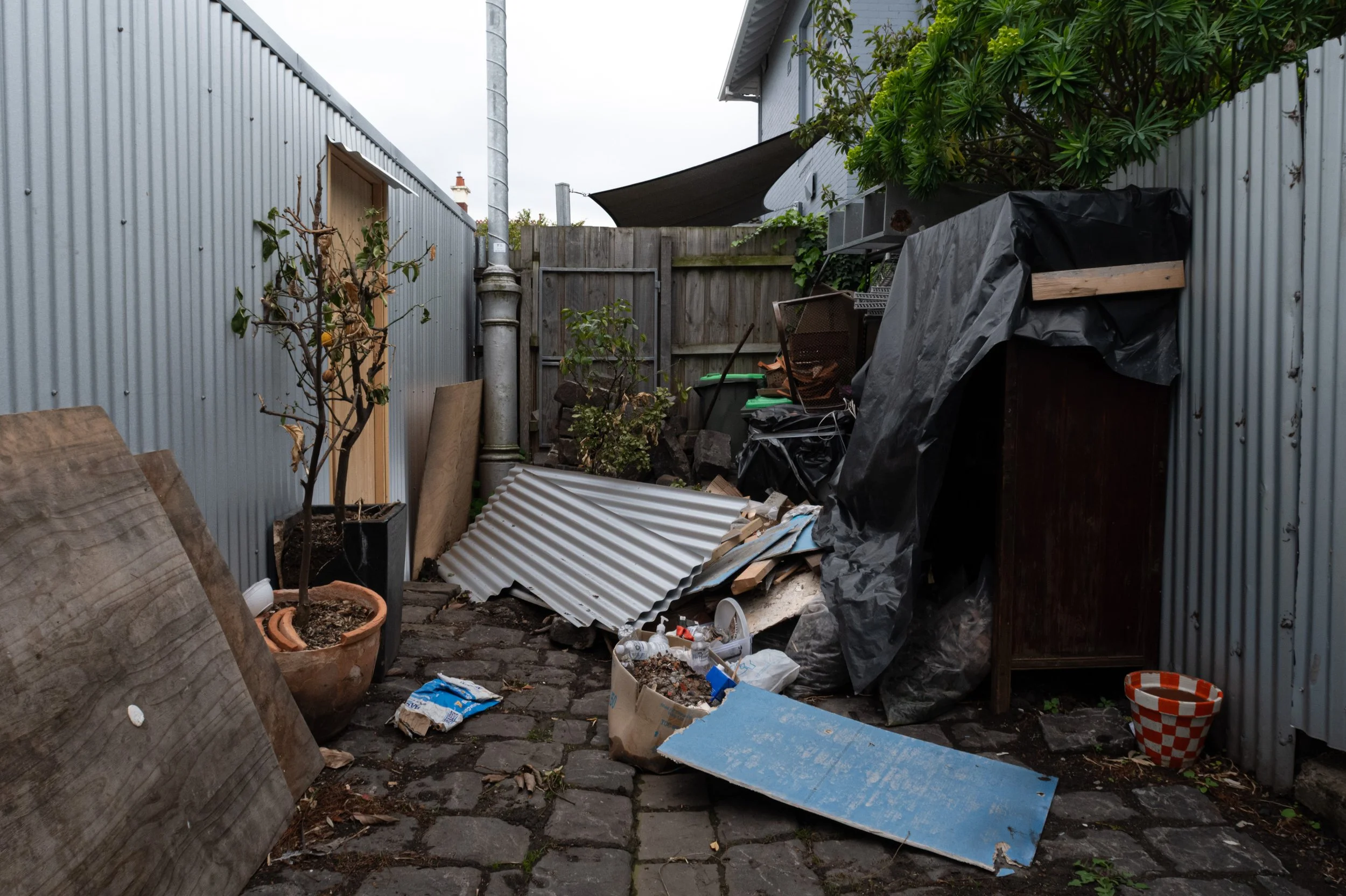
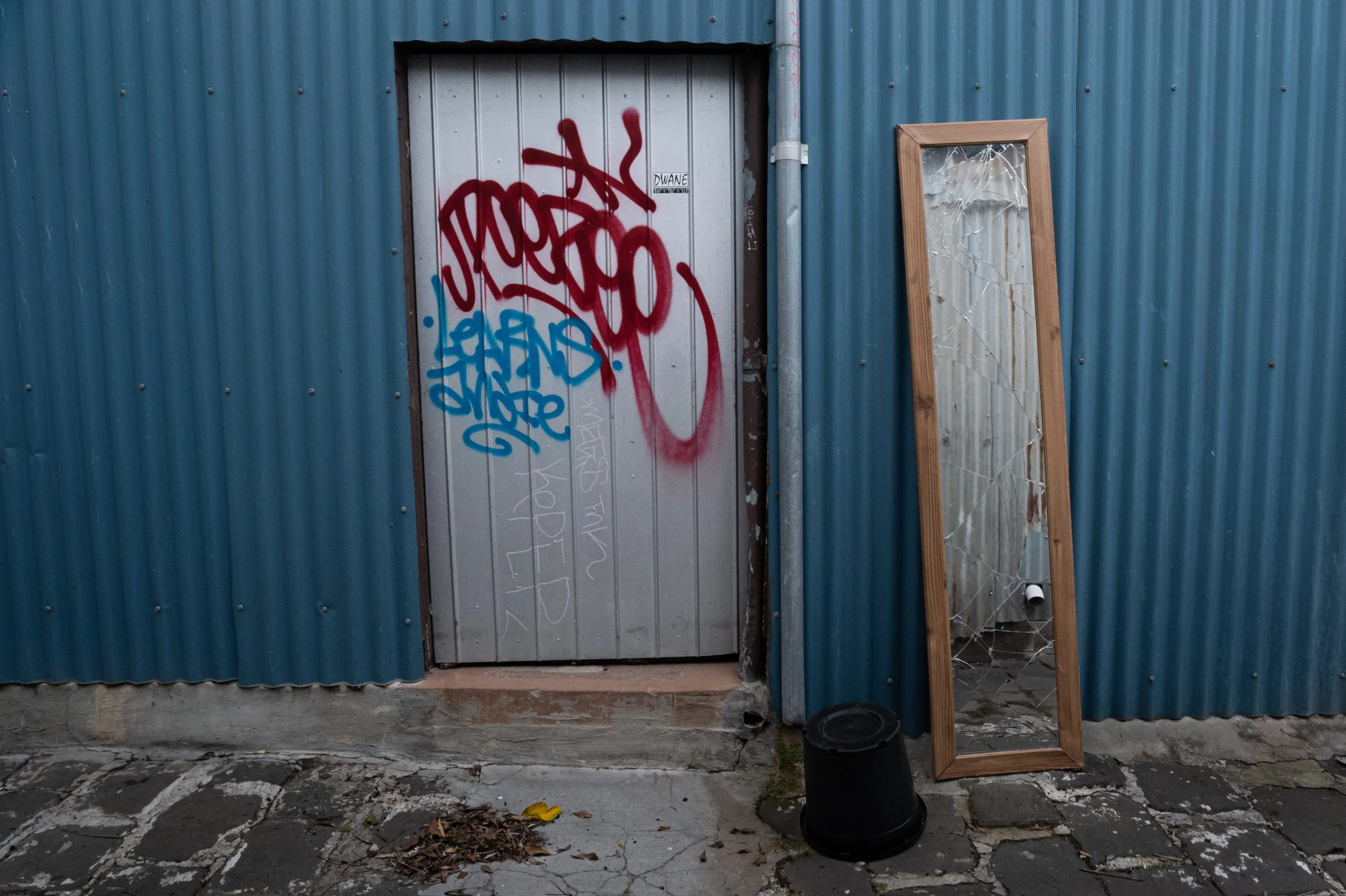
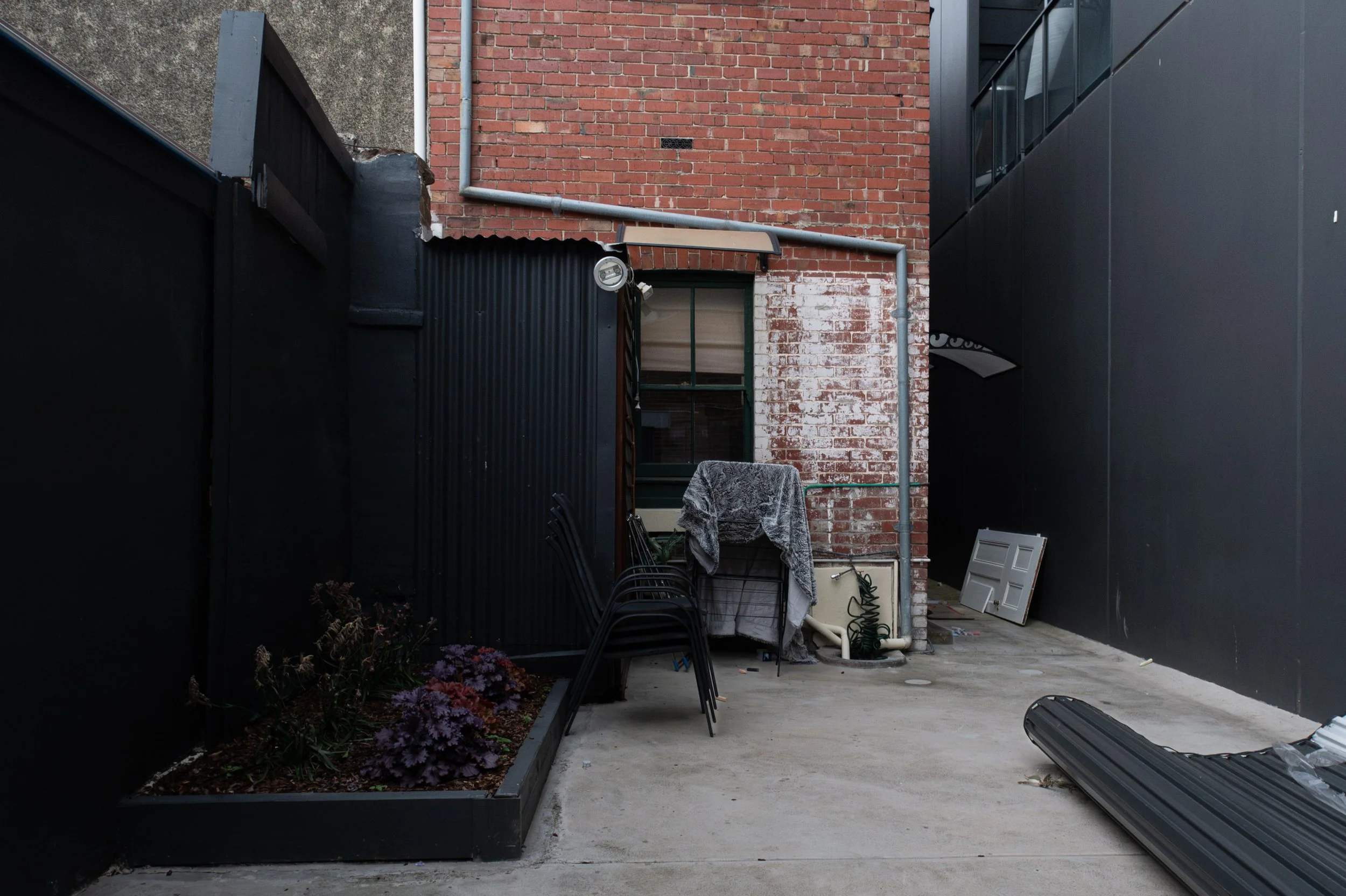
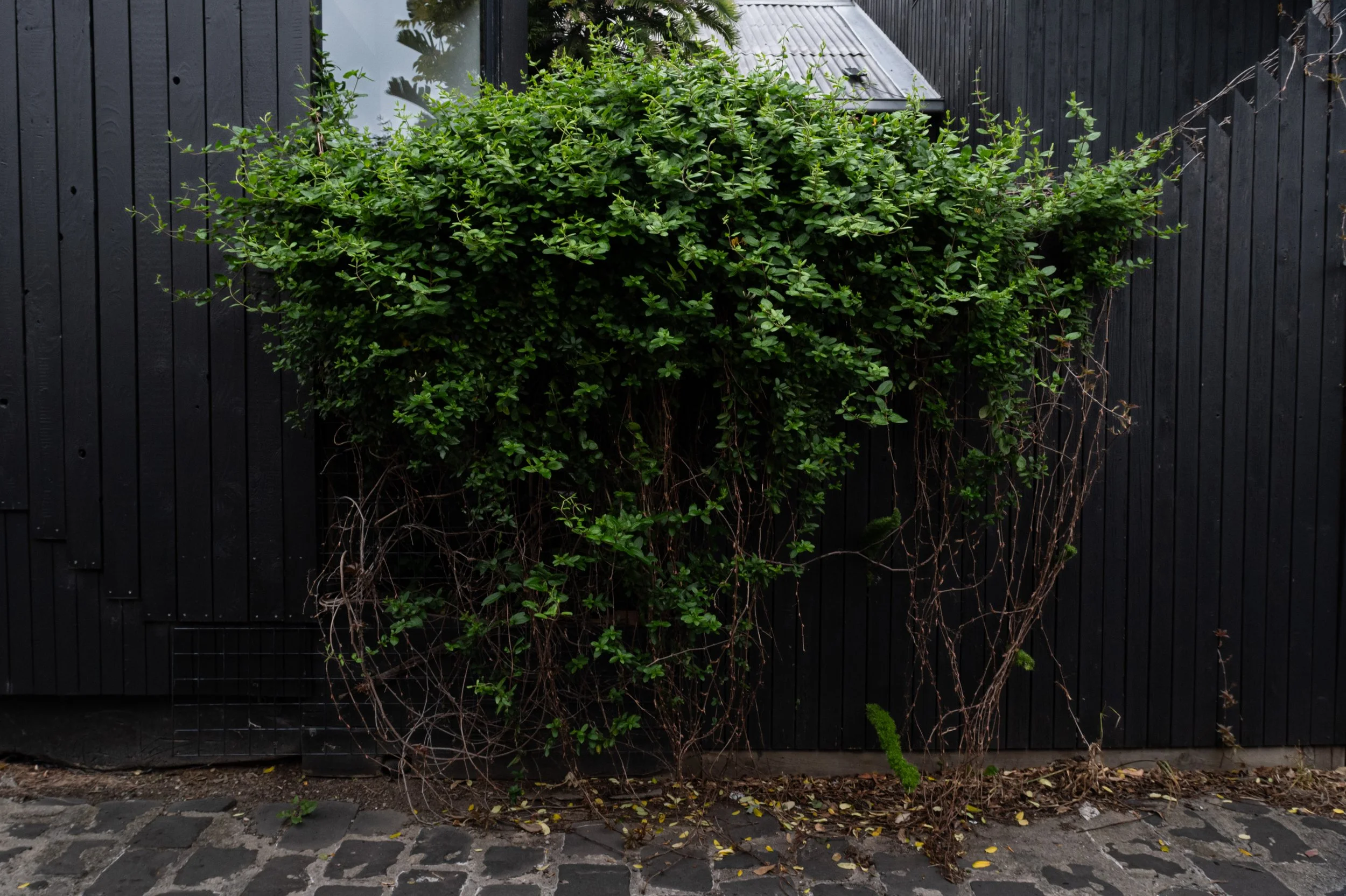
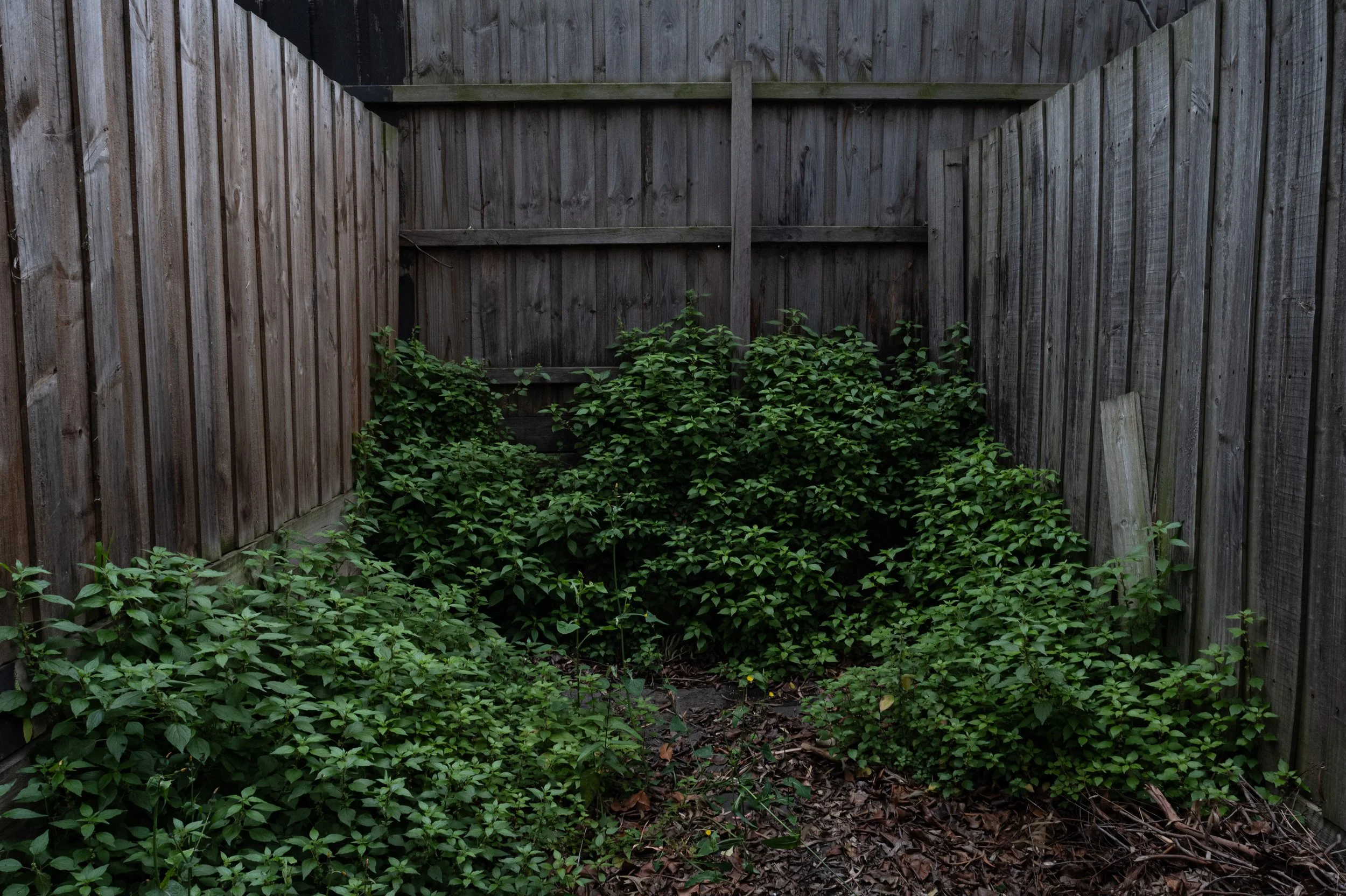
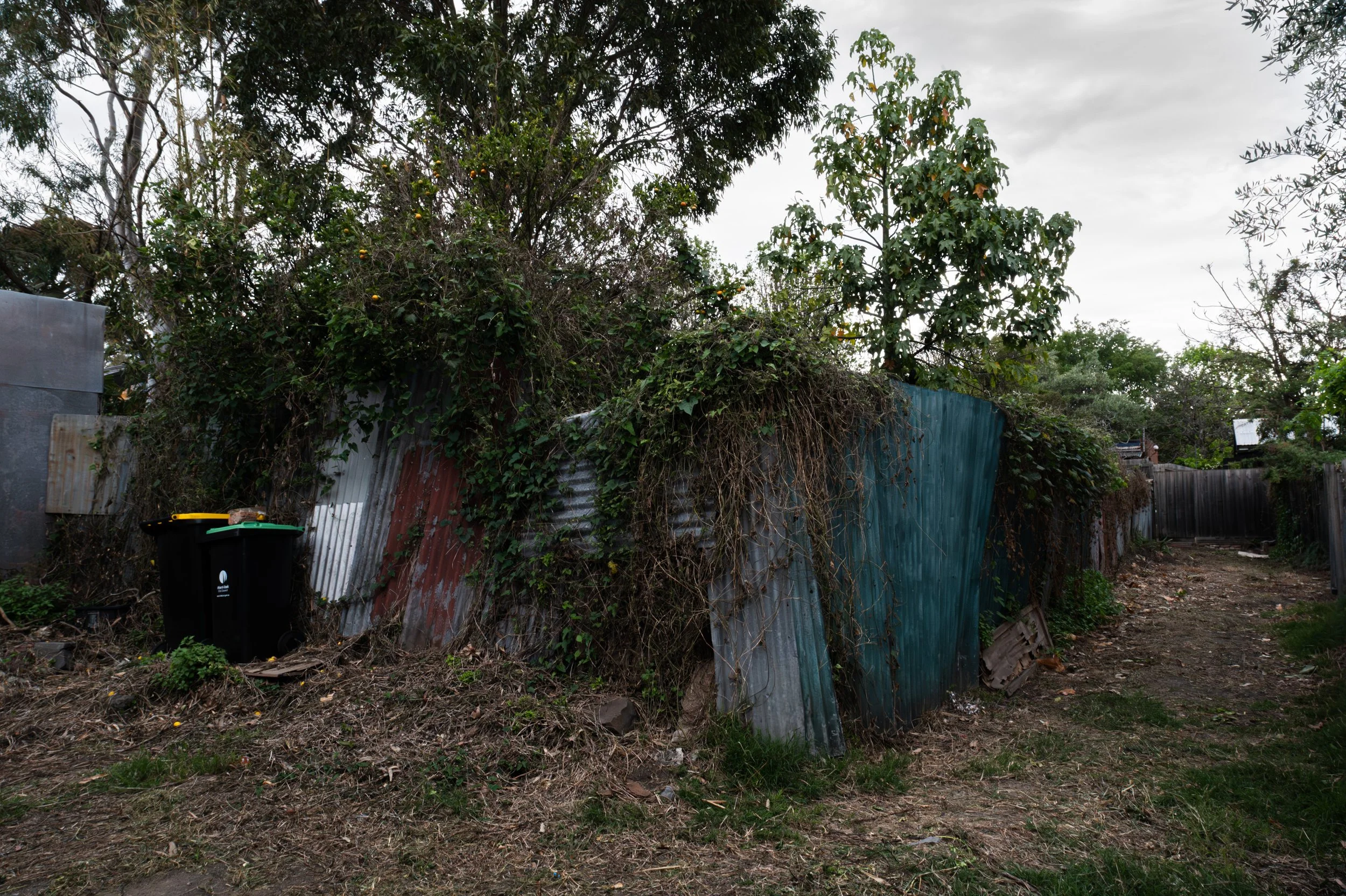
Operational Spaces is a photographic exploration of the places where the city stops performing and begins functioning.
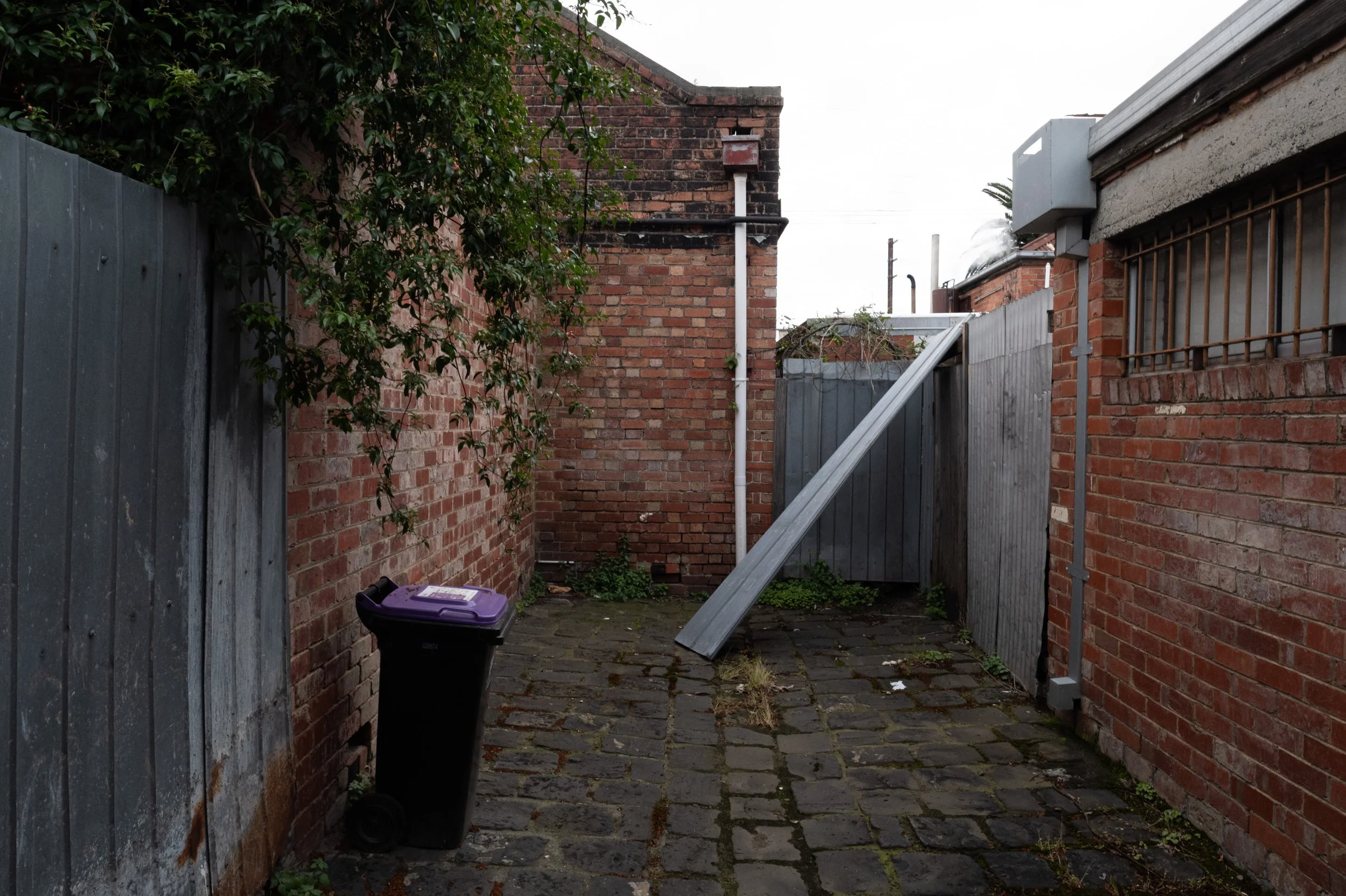
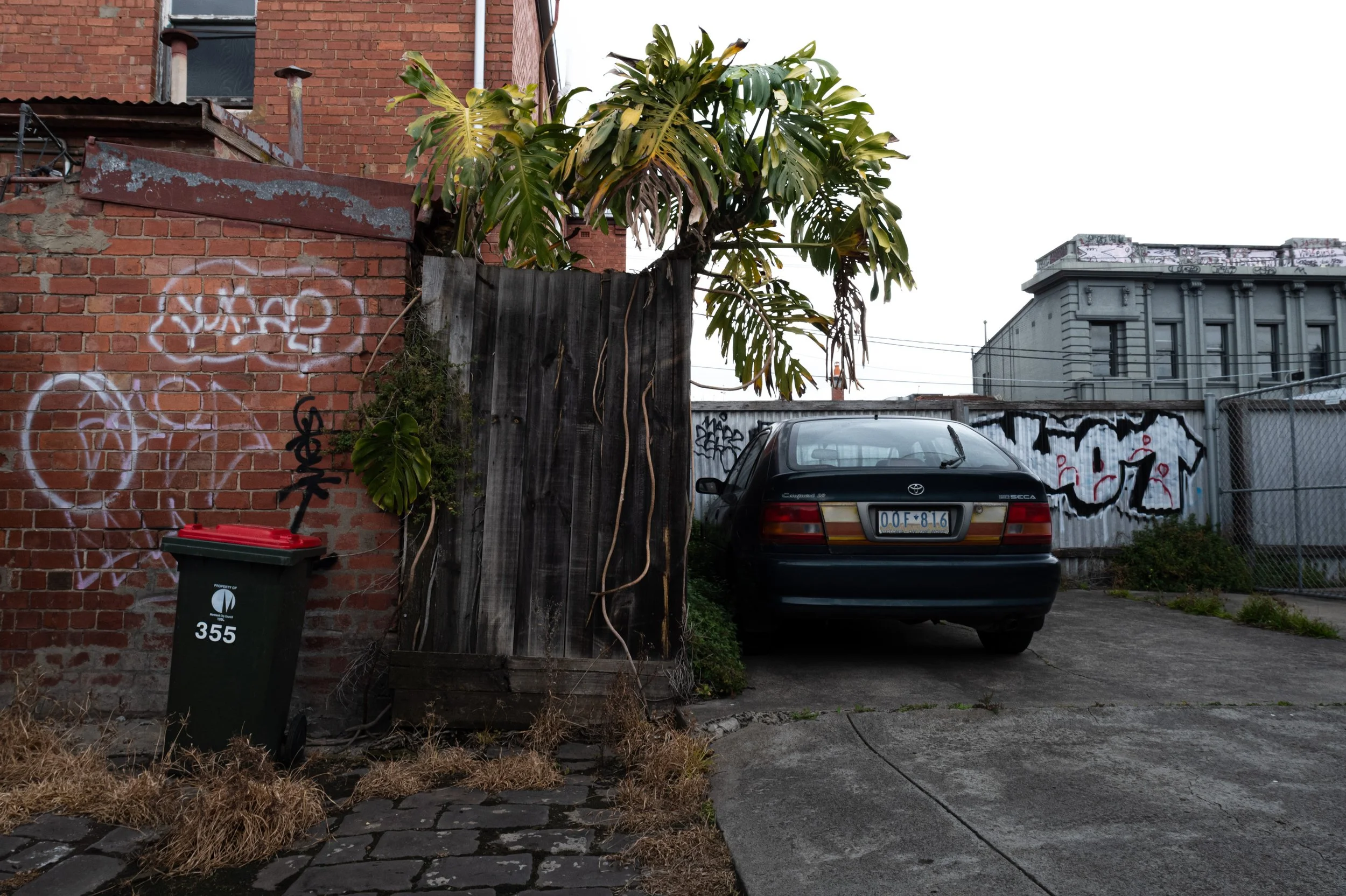
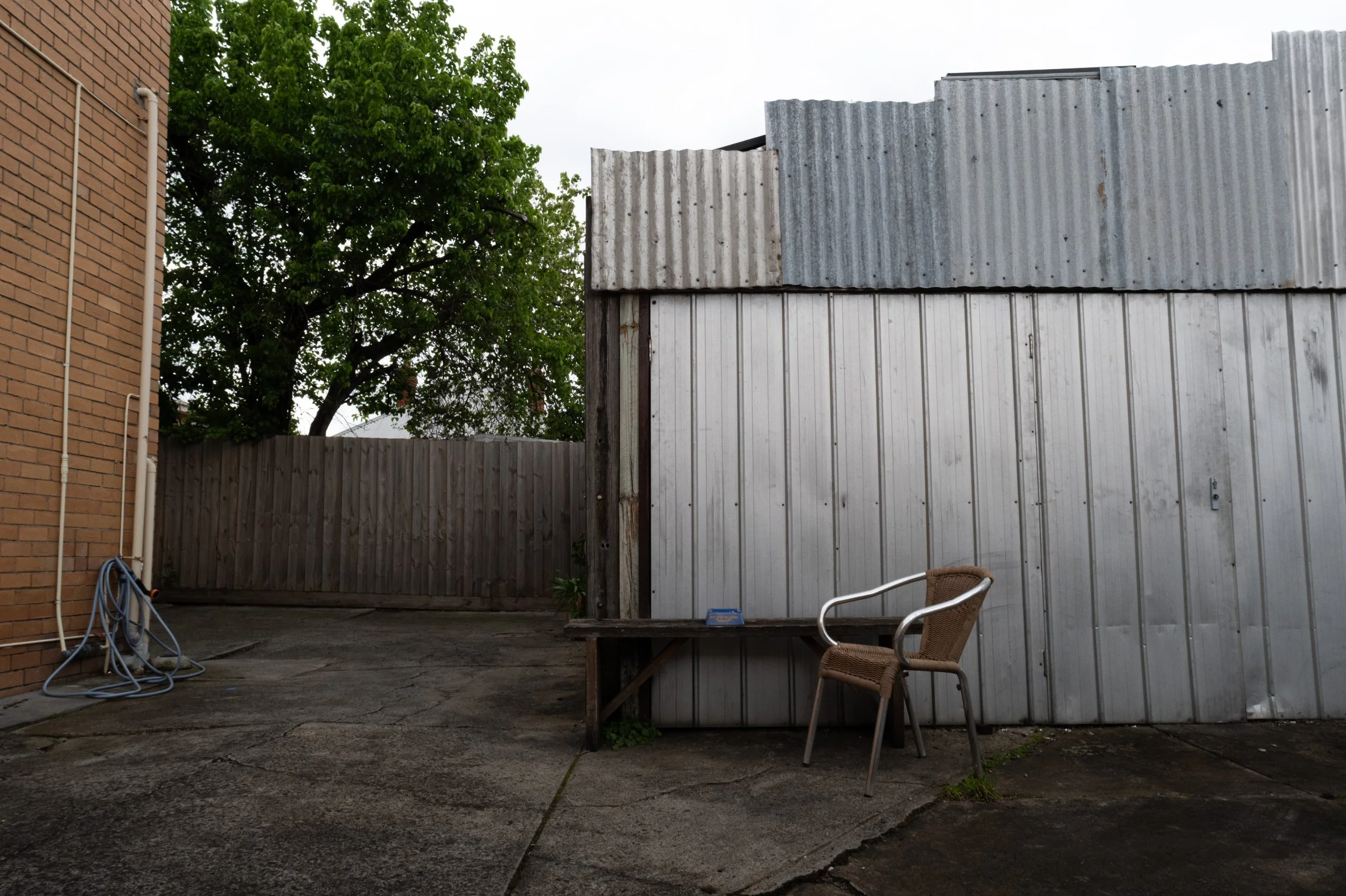
Rather than focusing on front façades (designed to represent order, beauty, and intention) this work turns toward the back of buildings, alleyways, and service zones where the city operates instead of appearing.
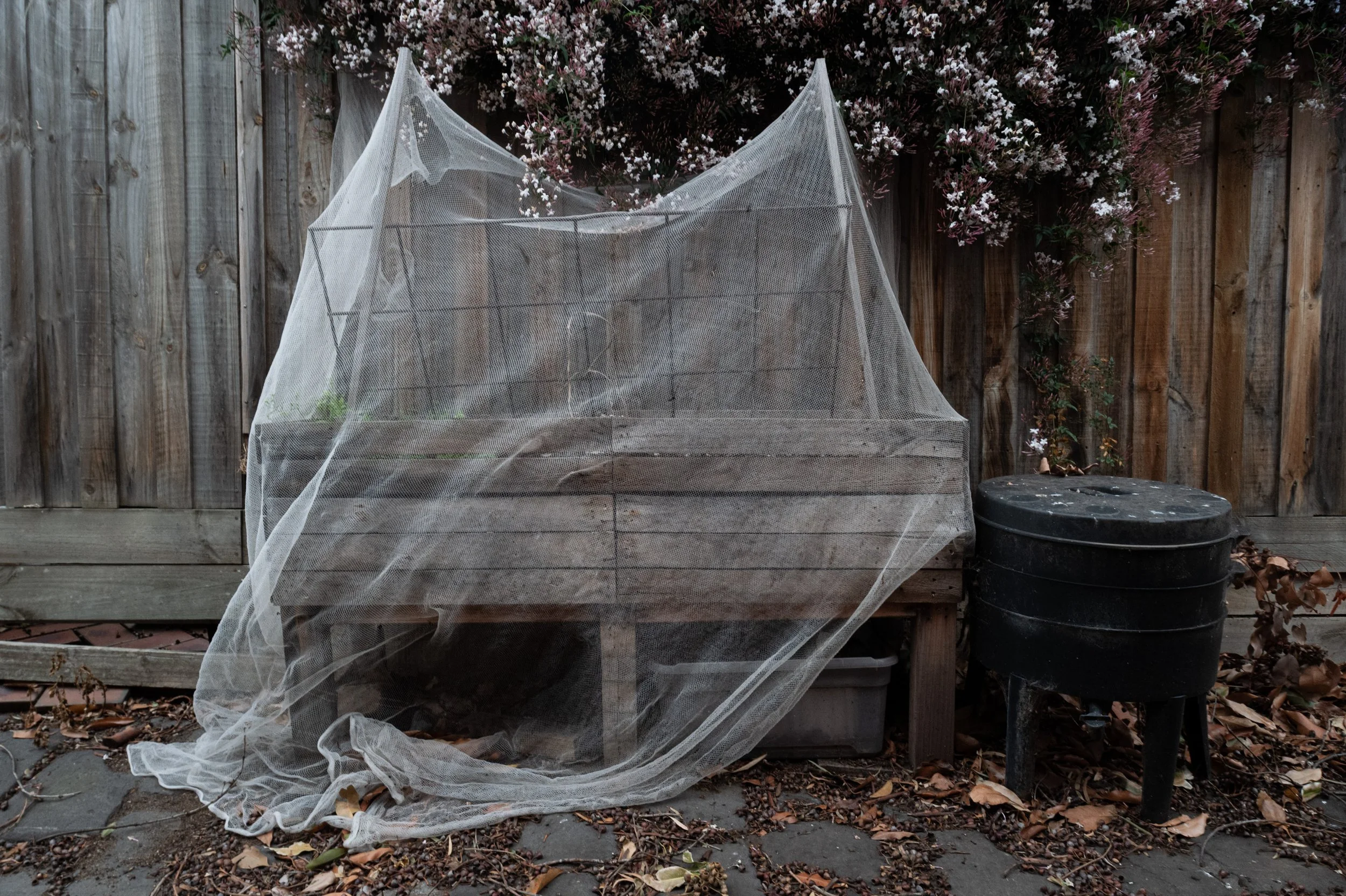
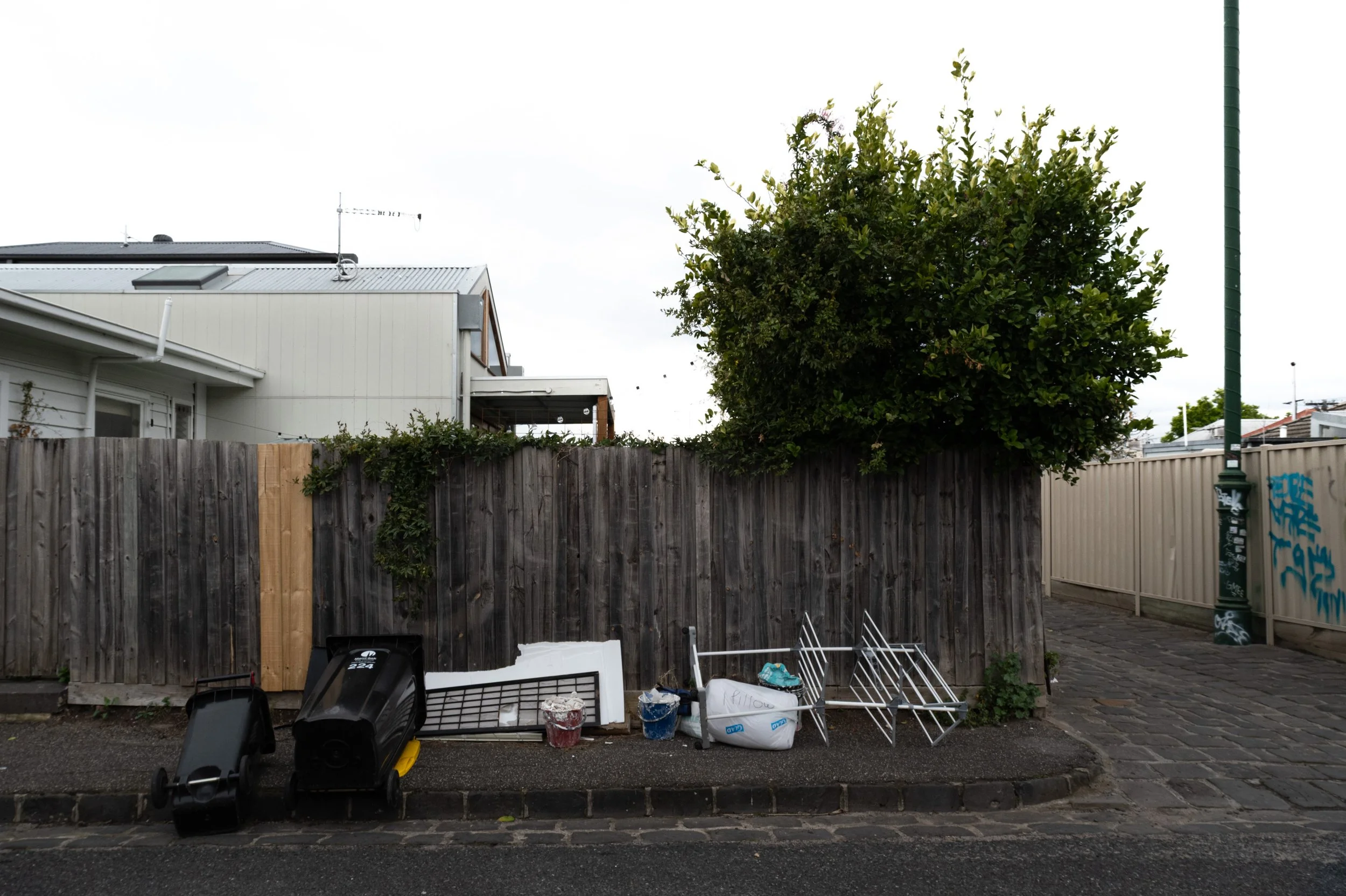
To understand the essence of a place, it is necessary to look beyond what it shows and attend to what it does. The front façade is the space of representation: clean, composed, and meant to be seen. The back façade is the space of operation: pipes, vents, waste, loading docks.
The front breathes and the back exhales.
These spaces are real, necessary, and continuous, yet largely invisible within the urban image.
Photographed in Brunswick, the neighbourhood I move through daily, these operational spaces reveal the city as a living, self-adjusting organism.
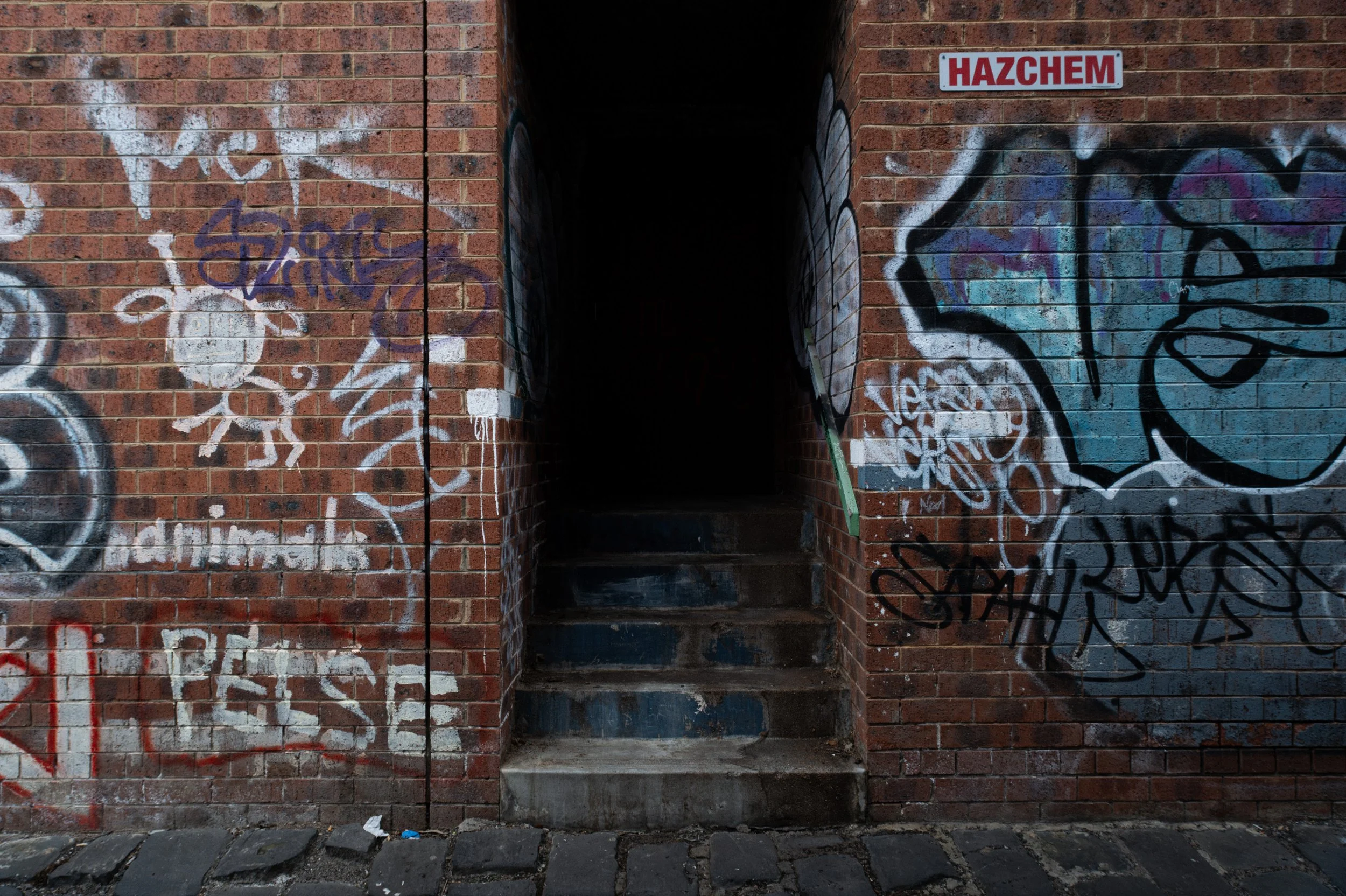
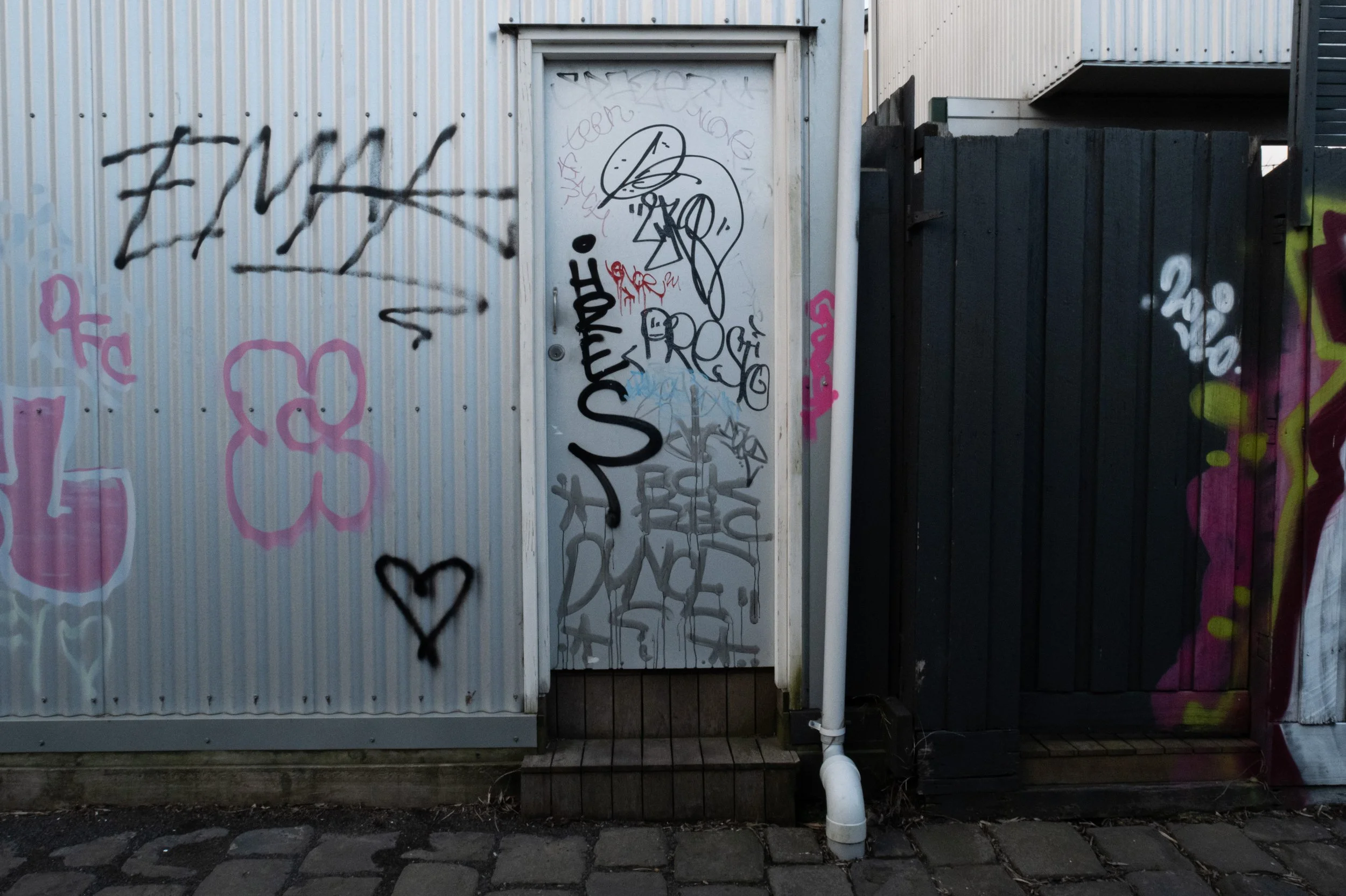
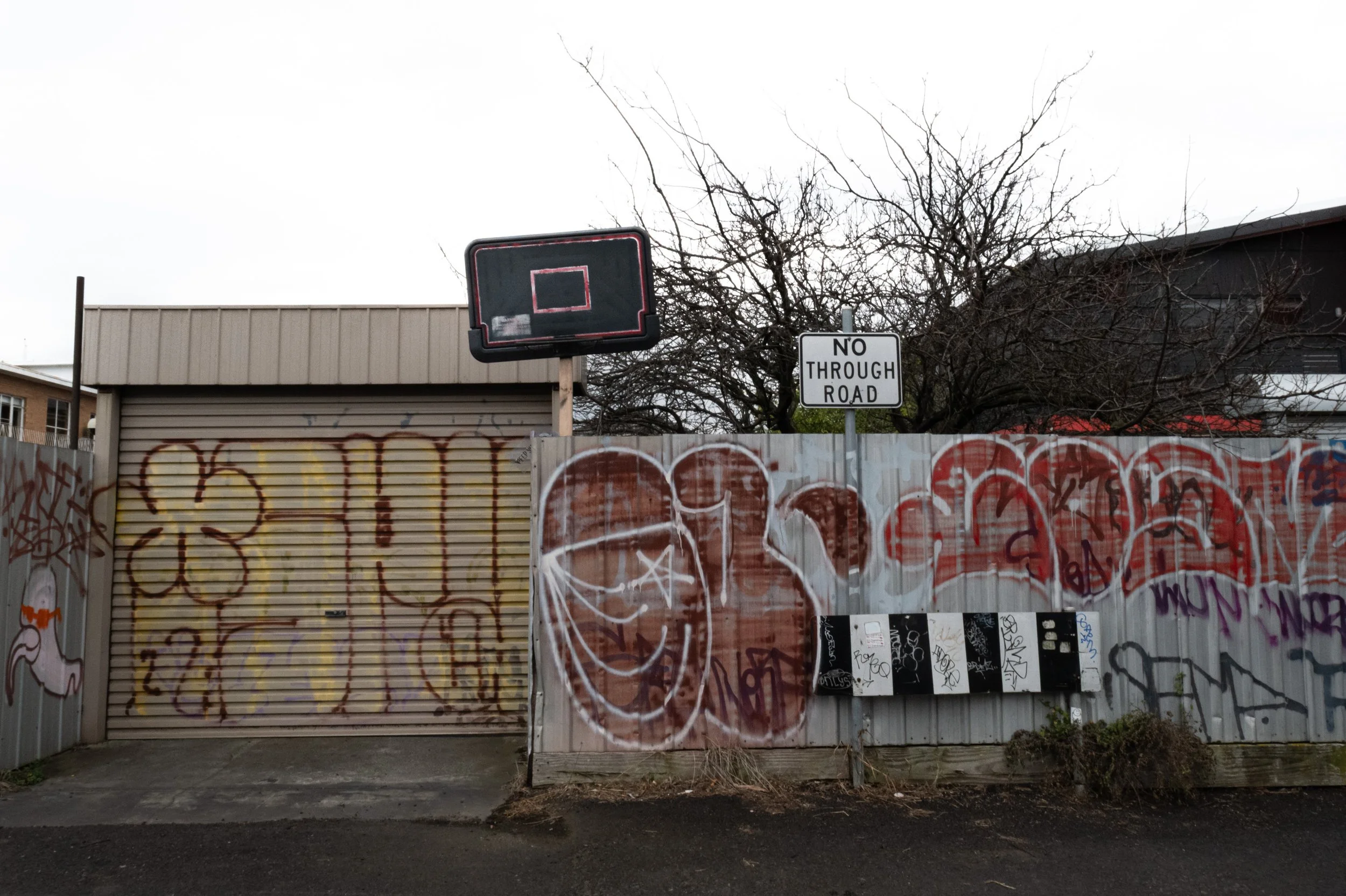
They accumulate time through layers of repair, decay, and adaptation. Boundaries between public and private blur, ownership becomes ambiguous, they invite a different kind of behavior and perception: people smoke, urinate, kiss, spray graffiti, or hide. Acts that do not belong to the front of the city but are essential to its functioning.
Operational Spaces treats entropy as a neutral process: matter reorganising itself. Trash, broken surfaces, shallow soil, and spontaneous vegetation are evidence of use and survival.
By shifting attention from representation to operation, this work proposes a portrait of place that is grounded in how a city actually lives.